Night and Fog , 1956

Languages – French , German

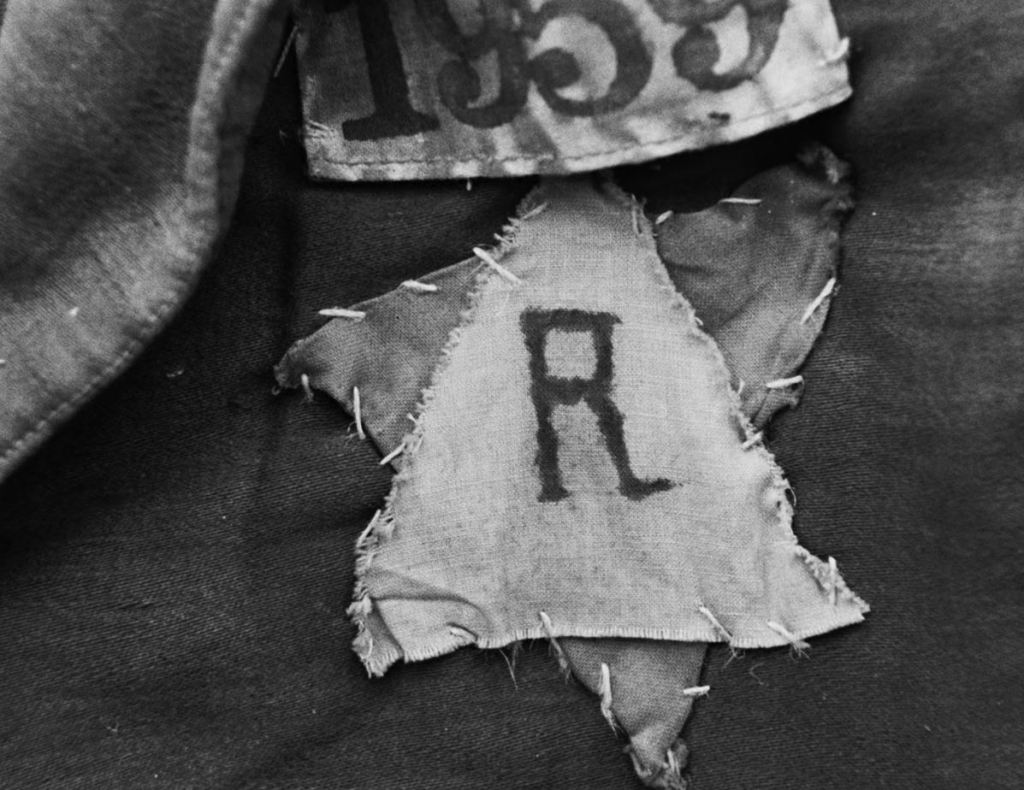
This documentary, directed by Alain Resnais is not for the faint-hearted. The imageries and the vivid descriptions are sure to run a chill down your spine. The absolute monstrosity that the Jews had to go through in the concentration camps in several places like Struthof, Oranienburg, Auschwitz, Neuengamme, Belsen, Ravensbruck, Dachau to name a few have been described in this unnerving documentary. Having seen a lot of movies with similar lines like Kapo, Sophie’s Choice, Schindler’s List, The Boy in the Striped Pyjamas, I felt I was prepared for this 32-minute documentary. But the very first scene and I could sense my confidence fly out of the window. 
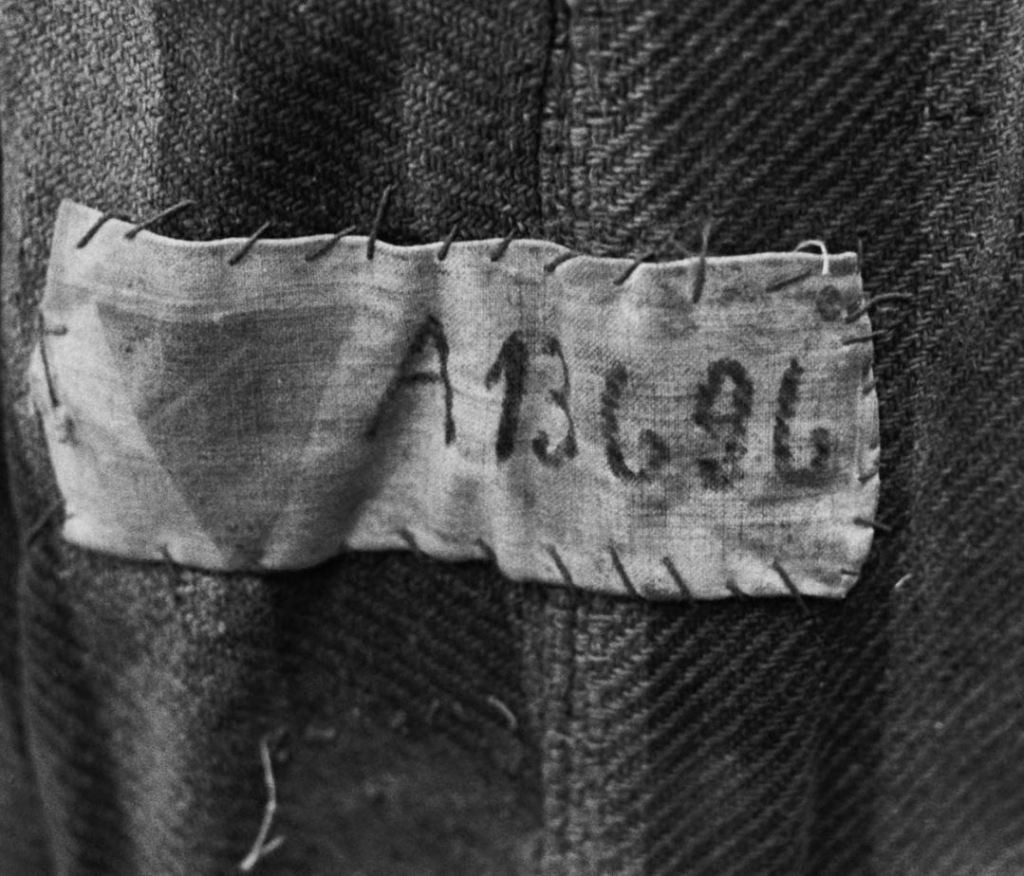
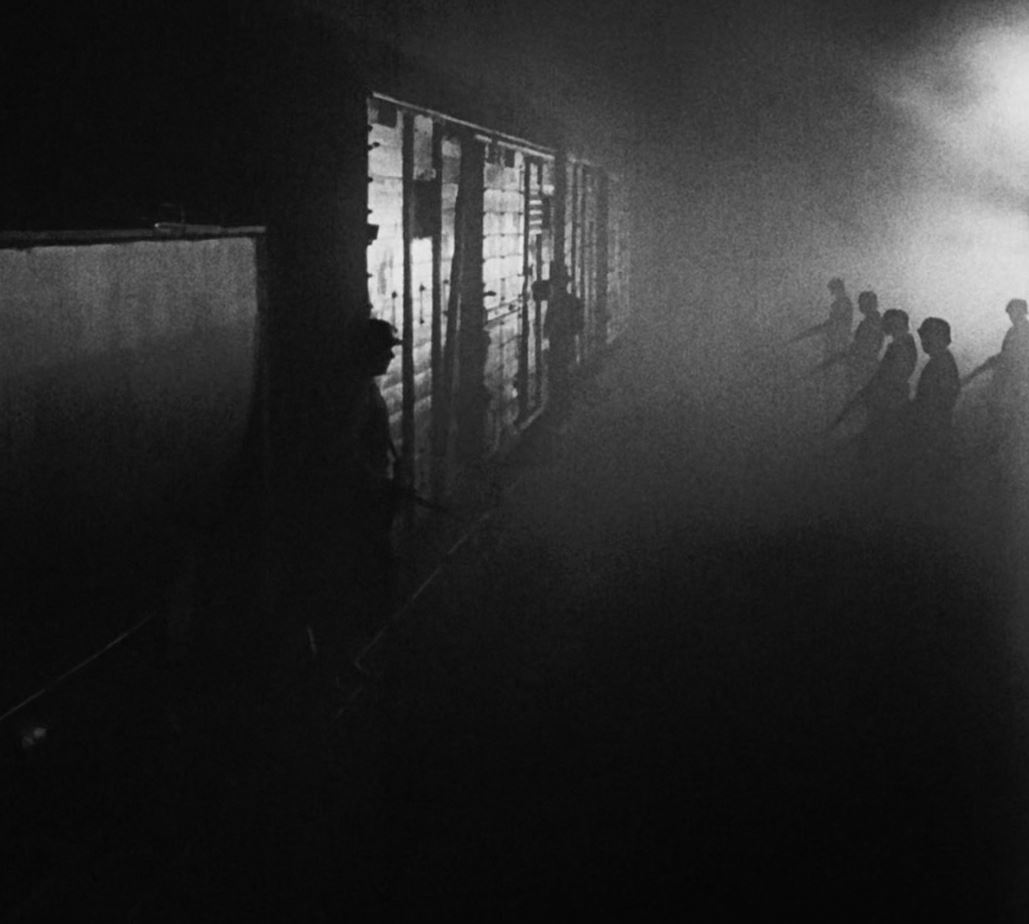
The harrowing details mentioned in this documentary are nerve-racking. The atrocities that those humans had to face in those inhuman concentration camps is unfathomable. The inexplicable horrors that those souls went through are perhaps the biggest blotch on humanity and human existence. This documentary reminds me of an article by Andrew Brown – What was God’s role in Auschwitz? A question often prohibited, but always asked.

The inhuman torture shown vividly in this documentary is surely going to make you uncomfortable even in your cozy couches.

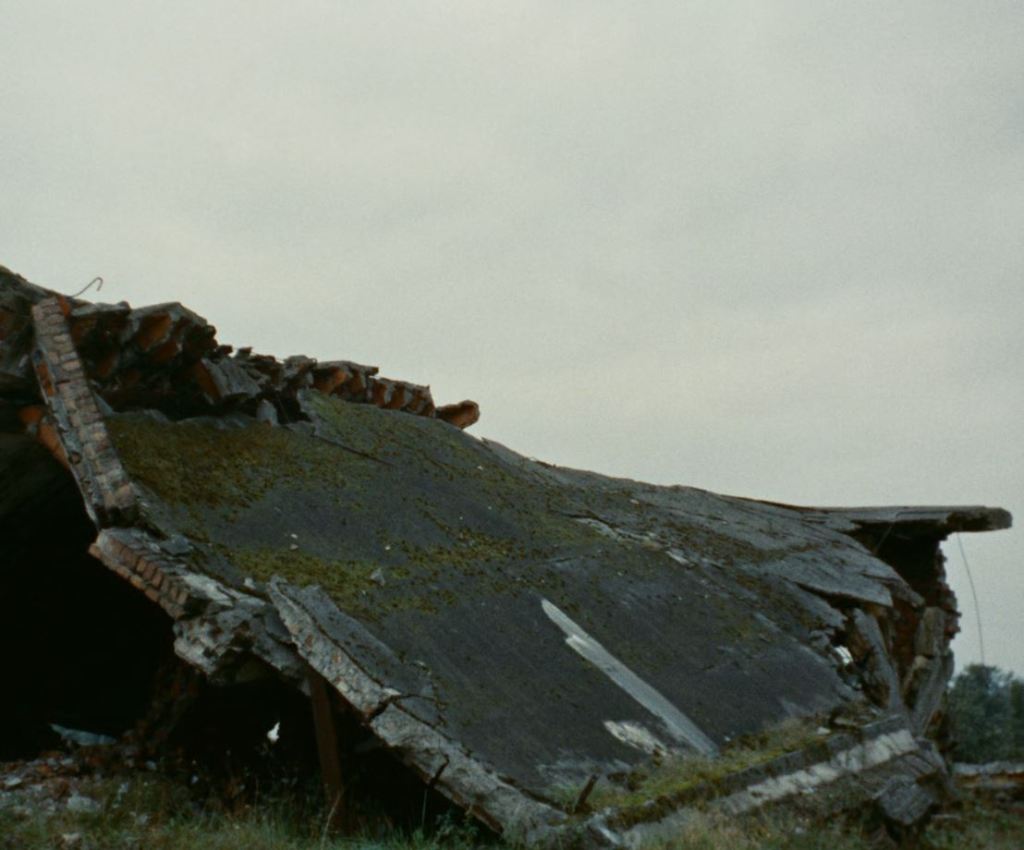
Alain Resnais has shot this documentary in the abandoned fields of Auschwitz which has unfortunately been the home for the millions of Jews who were tortured till they succumbed to it. The way the documentary starts with a slow background score, melancholy, and fear immediately creeps in. You know what you are going to see ahead in the documentary but somehow you are not able to cope up with the explosion of emotions that erupt the moment the lush greenery on the screen gives way to a black and white frame with faces of those unfortunate men and women who had to face the wrath of inhuman treatment.
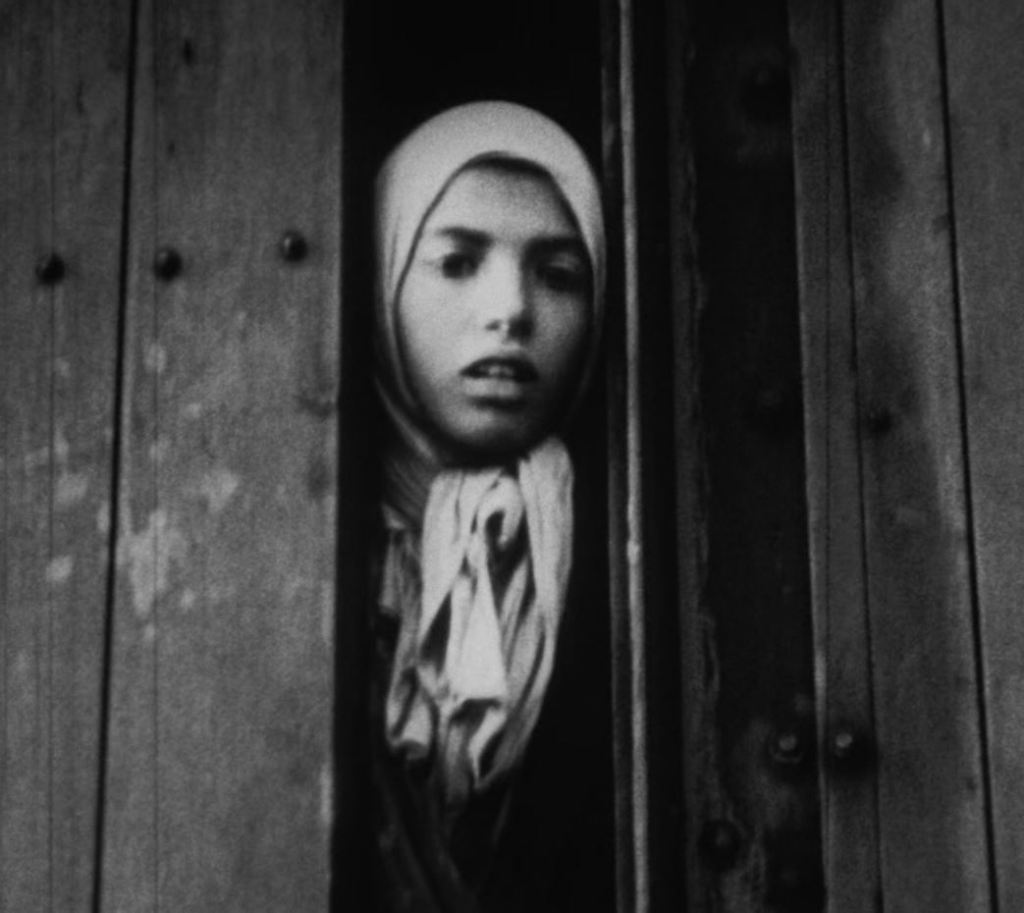
The visuals are so intense that it shall get you nightmares, leaving an indelible mark on your mind. In a scene from the documentary, it is said that while building these concentration camps, tenders were released, different companies would collide in order to get their tender sanctioned which also included bribery. It reminds me of the words of Marx where he says that one day the Capitalism would be so rampant that if a capitalist has to be hung, some other capitalist would sell the rope to make a profit out of this death. The question that arises in the mind is have we as humans have deteriorated to such an extent that we do not shy away from making money by making institutions of torture and pain? Have we reduced ourselves to that limit where the cries of those helpless millions fail to strike any empathy in our hearts? Different styles were adopted for these camps. Who would appreciate the design language of such a camp? The ones going inside? The SS? The Kapo? Or the Fuhrer himself? 

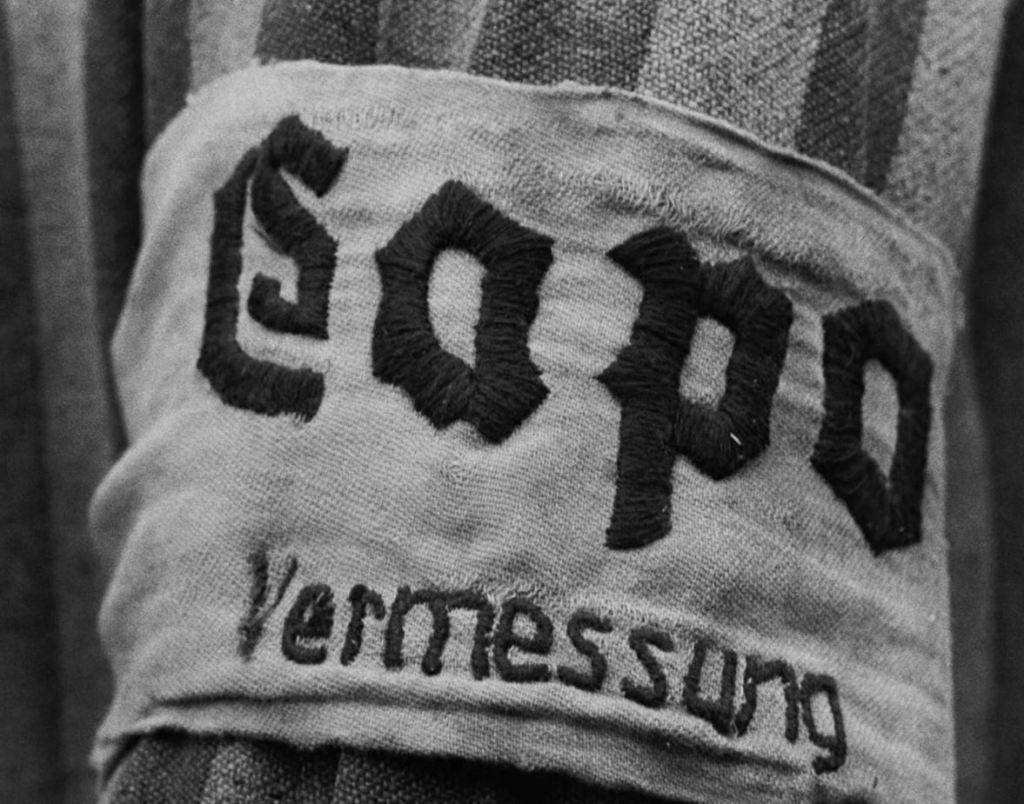
Quite to my surprise and disgust, the ‘ Kapo ‘ used to be a prisoner himself who would be appointed by the SS guards to supervise forced labor and help the guards to maintain law and order within the camp. There were groups among the prisoners. The young and agile ones used to prey on the old and dilapidated ones for food which often lead to starving and eventual death. 
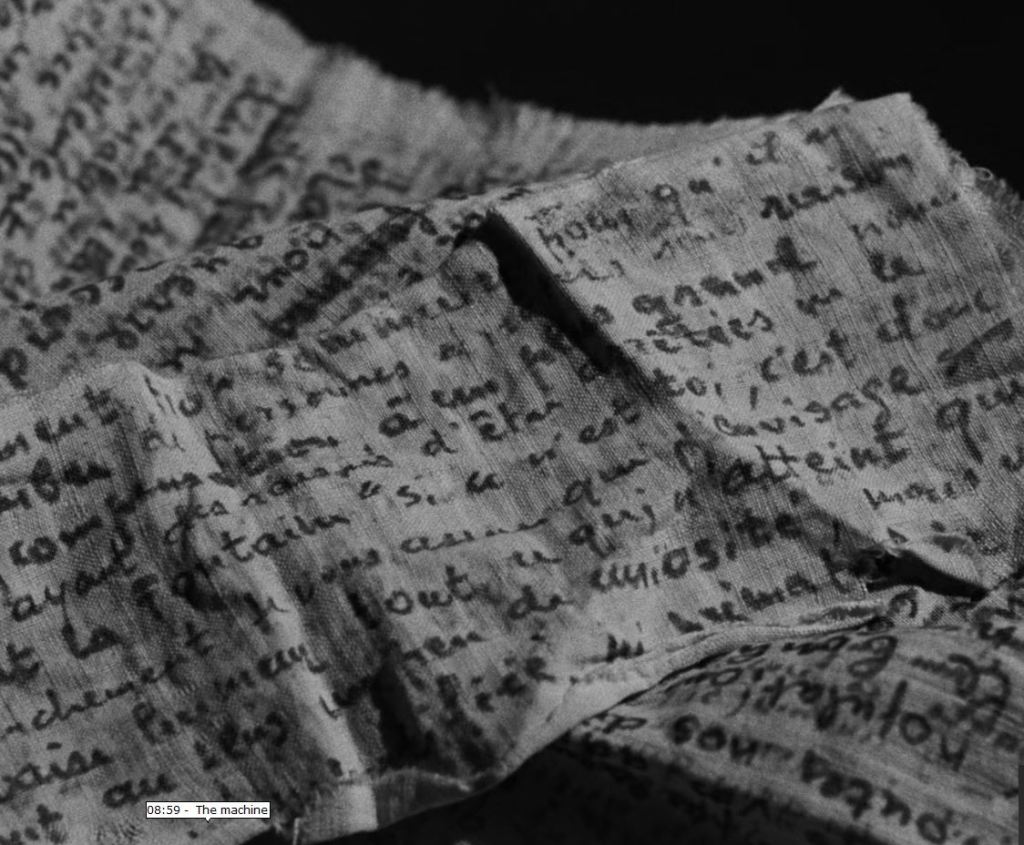
The documentary shows how hair from the heads of these prisoners was used to make carpets, their bones used to make fertilizers for the crops grown in the fields where these prisoners were made to toil under the extremes of climate and their skin is used to make soaps. Making an earning out of the dead? If they had ways to keep these prisoners’ souls in captivity, those souls would also have been used in exchange for some economic gains.

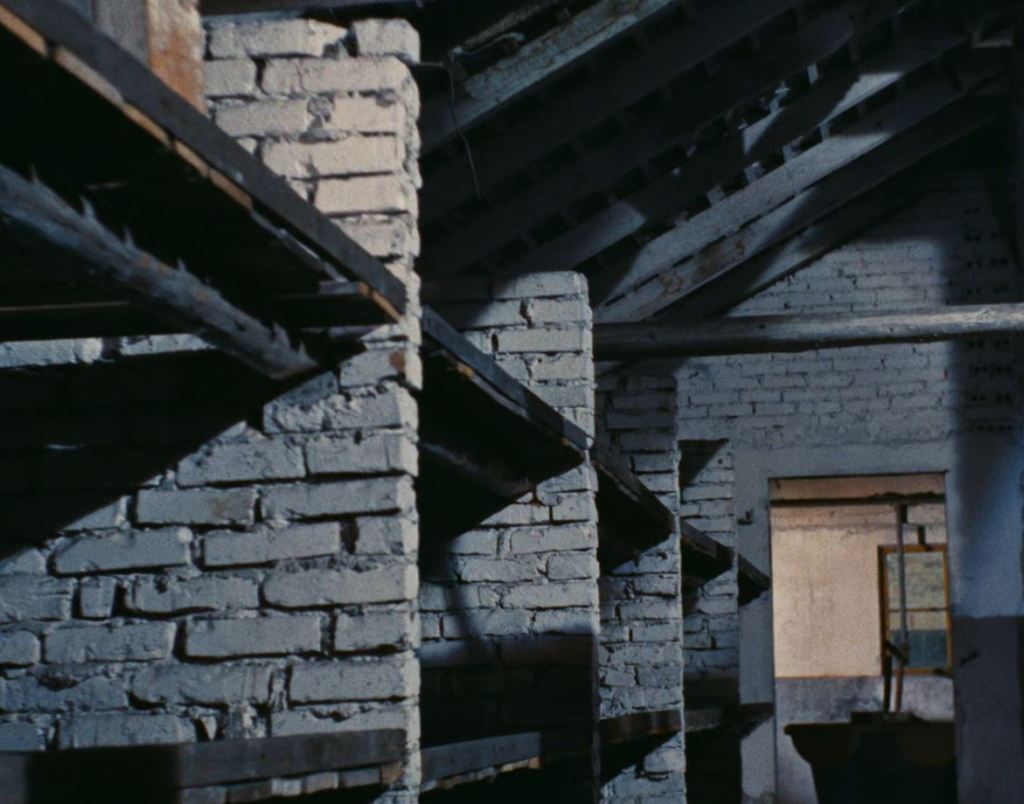
After all those million lives lost in these camps with Auschwitz being the most notorious amongst them, these lands are now barren with all that remains are the horrors, anguish, fear, and hatred against the relentless torture of a human on another fellow human.
Village Rockstars , 2017

Language – Assamese

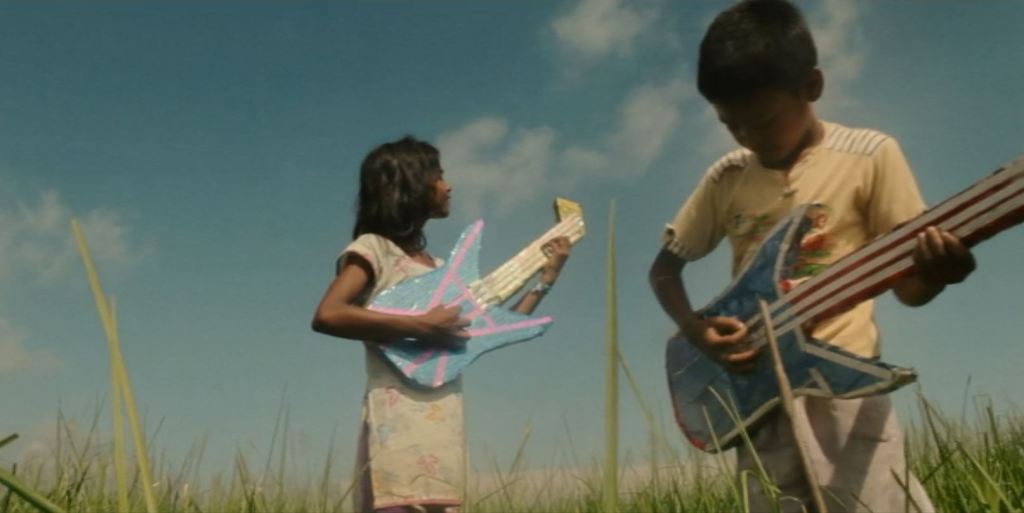
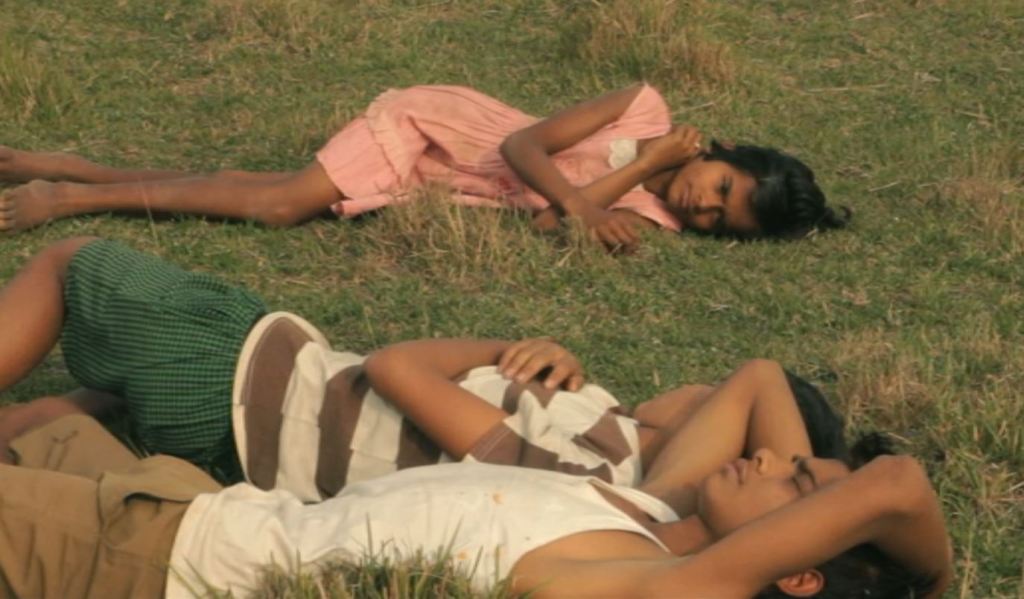
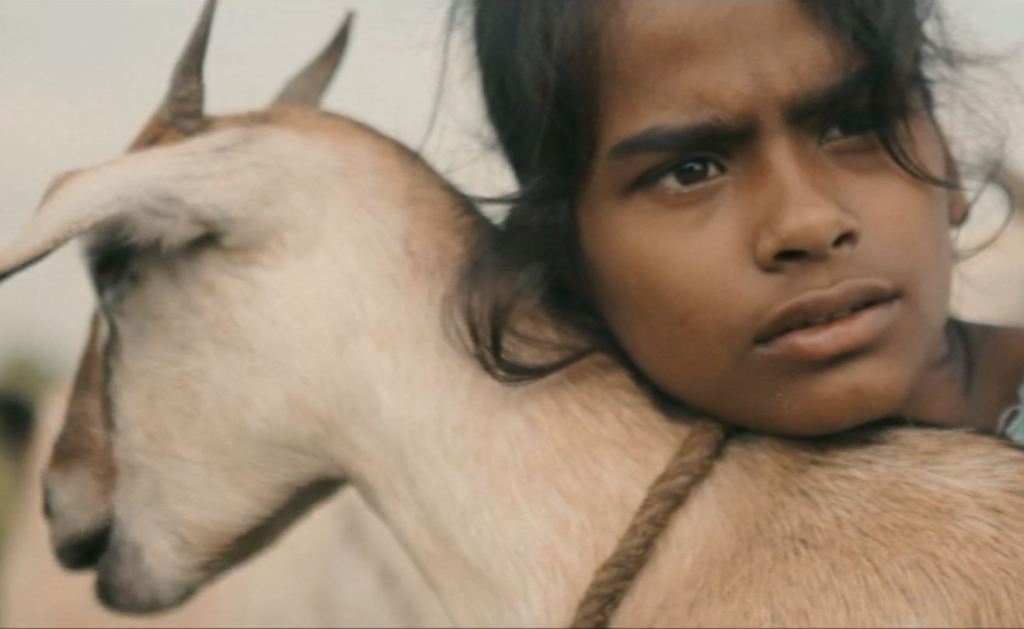
Rima Das’s Village Rockstars has already travelled to several festivals and was India’s entry to the Oscars in the foreign film category. This film revolves around kids in their adolescence with high hopes and rural poverty. The movie is devoid of any crucial dramatic twist or rousing climax. That is exactly what helps Rima Das to capture the simple, poverty stricken yet hopeful and happy lives of the people in her movie. The movie mainly revolves around a village girl in her teens named Dhunu ( Banita Das), who is a responsible daughter of a single mother and a responsible sister as well with aspirations of owning a guitar someday and forming a band with the village boys whom she hangs around with.

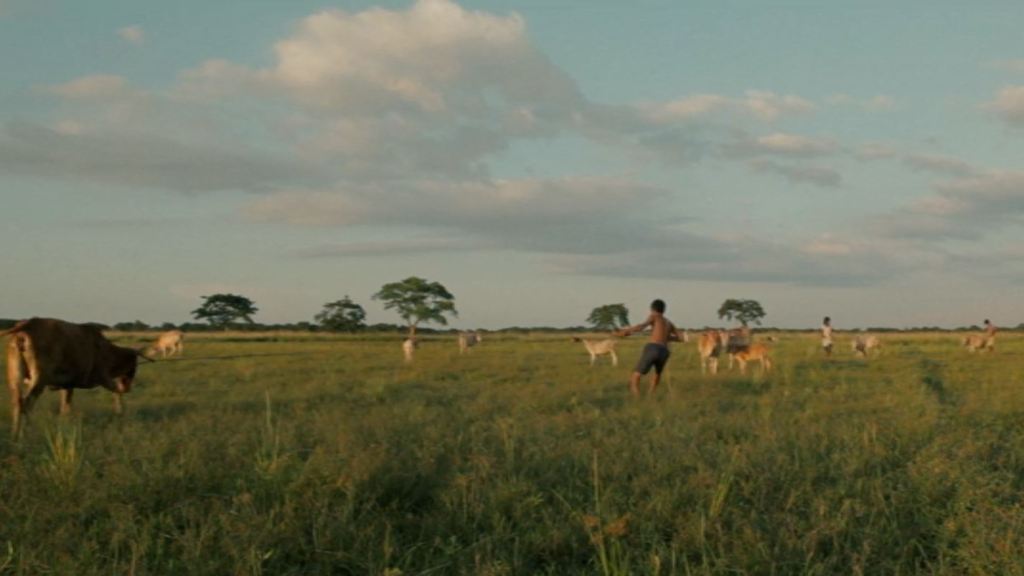
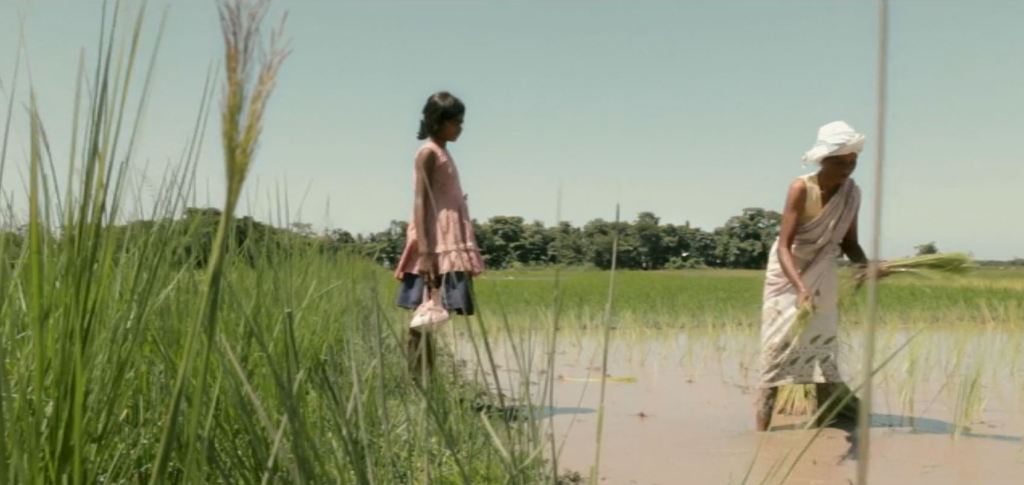
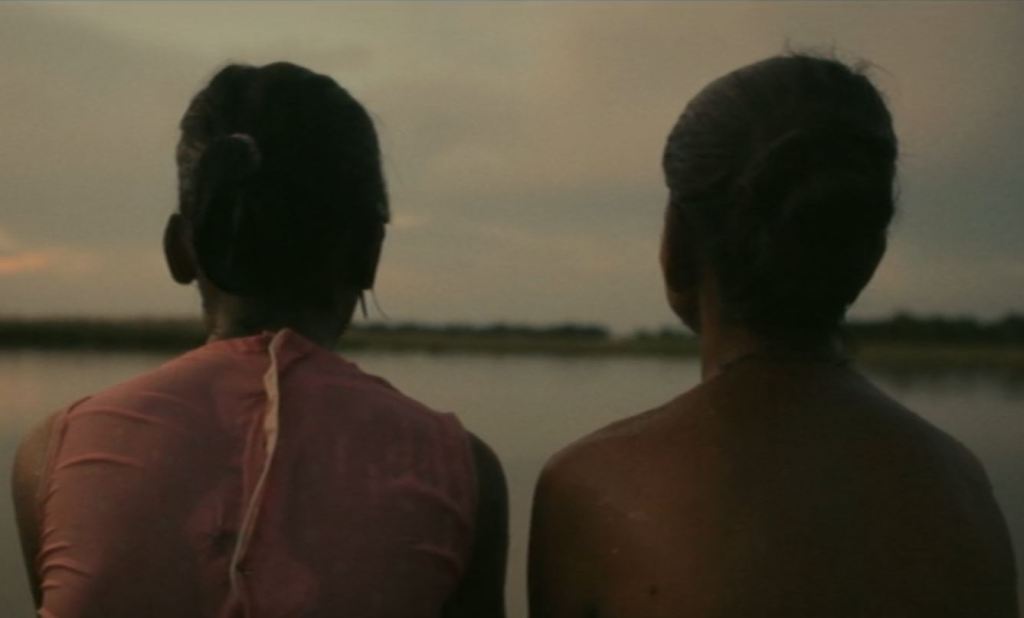
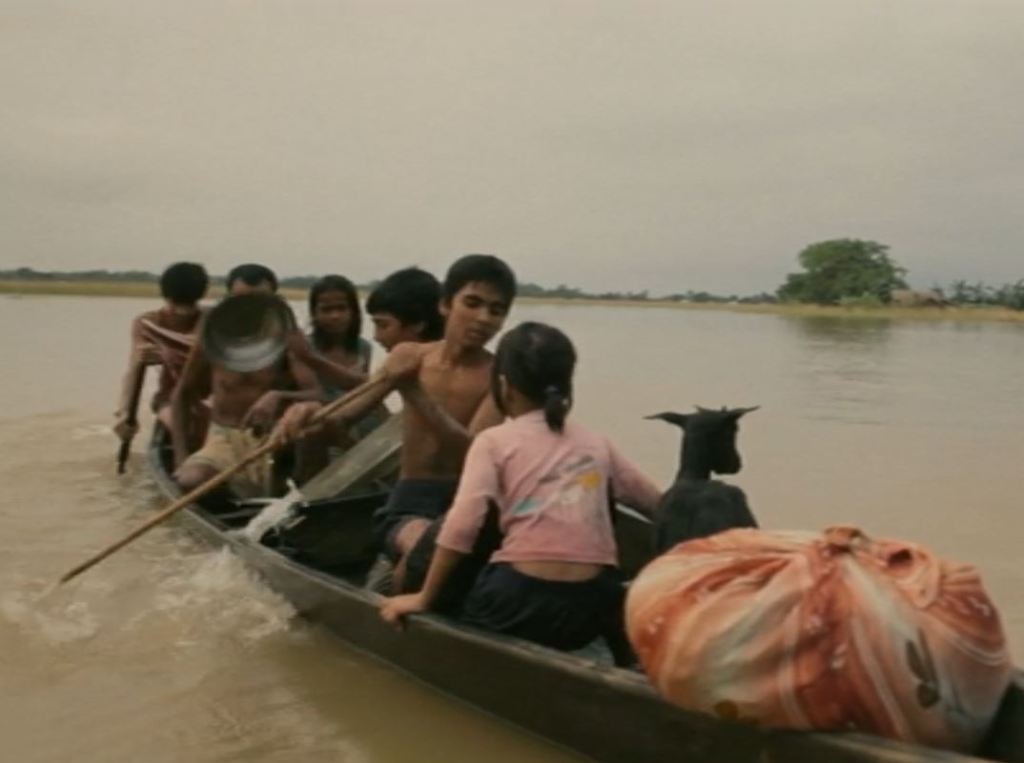
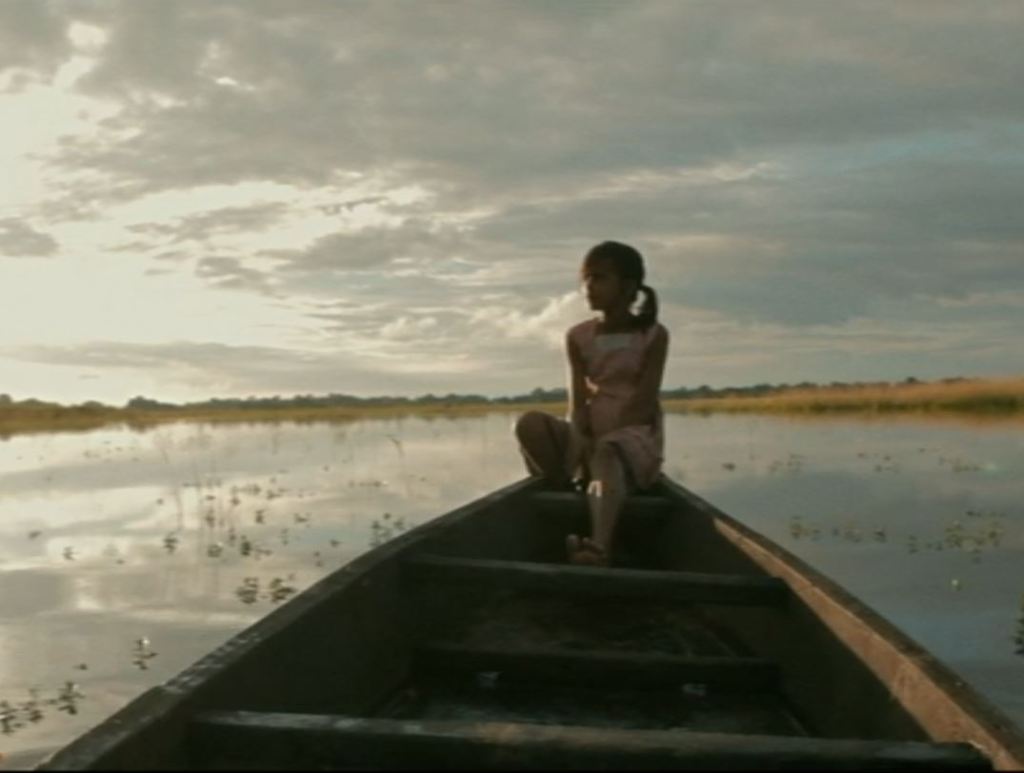
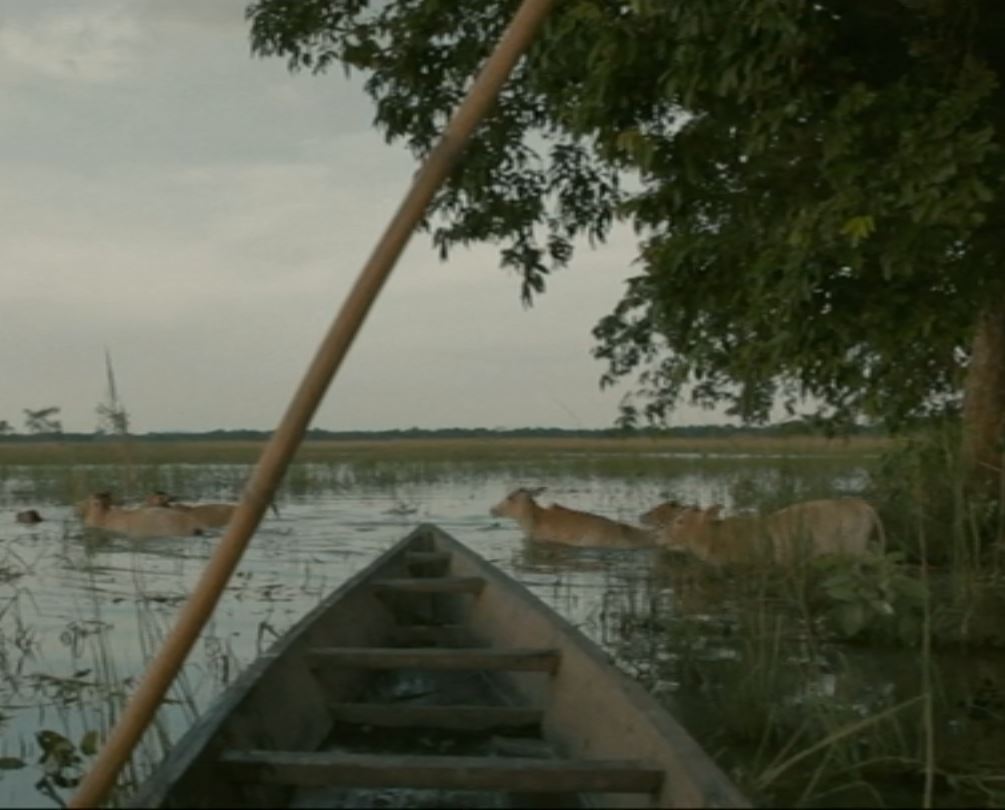
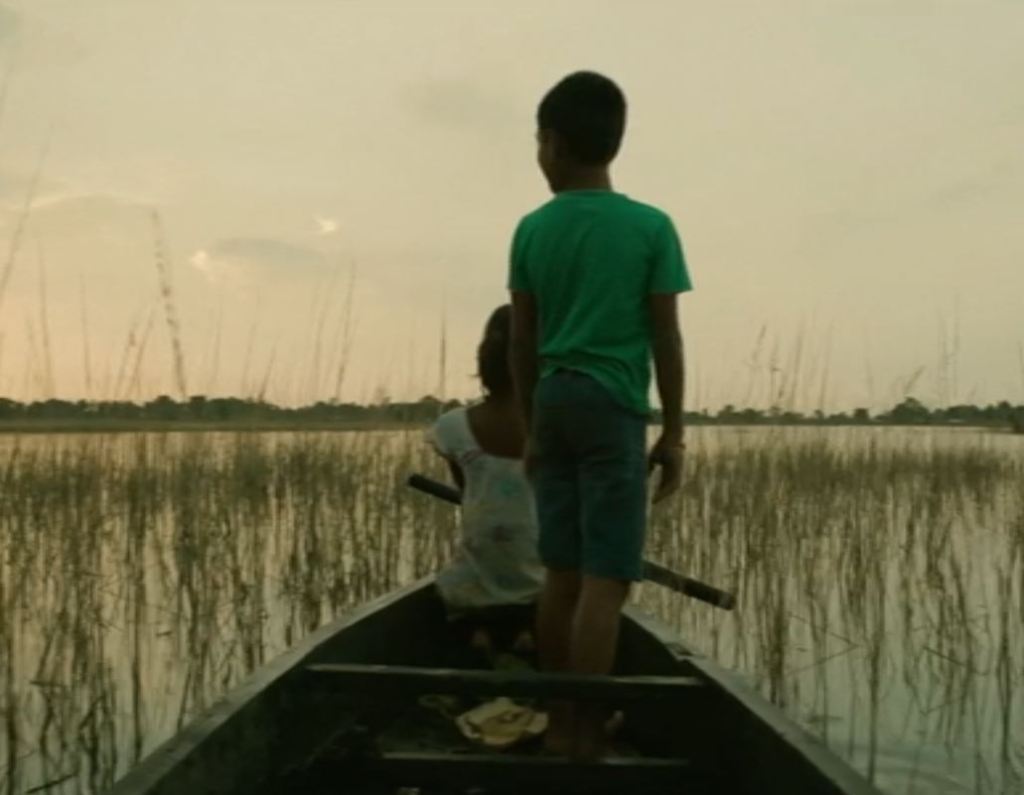
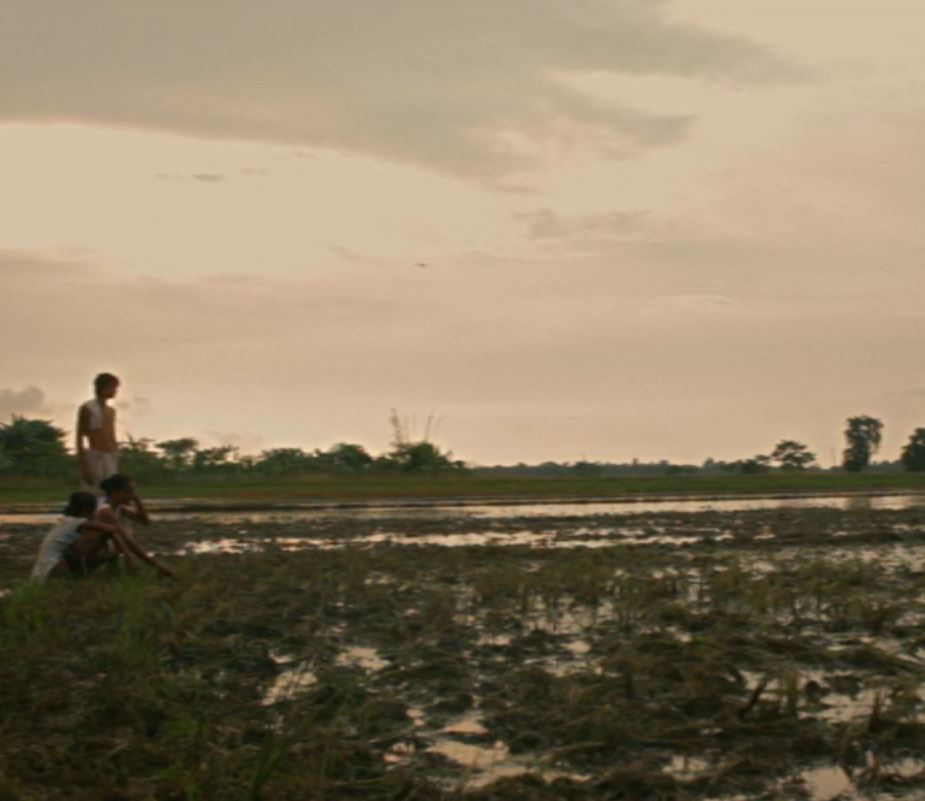
The film is shot in the flood prone villages in the rural Assam and some of the shots of the village shows the love of the director for nature and landscape. Certain frames are so picturesque that if you have spend any time in any rural part of the country , it brings in a sweet remembrance of your long gone days and if you have never been to rural India , these frames act as the gateway to the peaceful and serene village life.

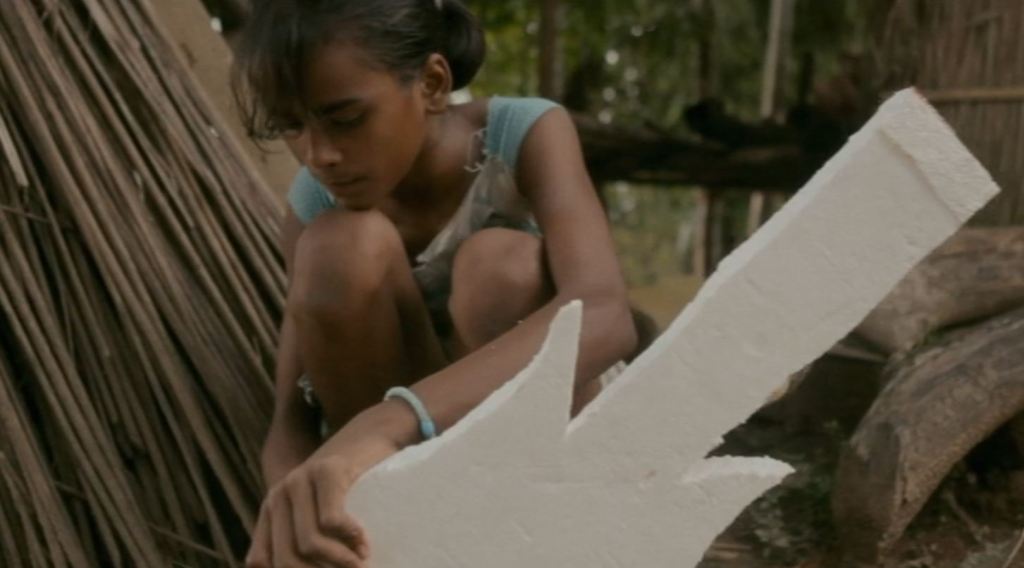
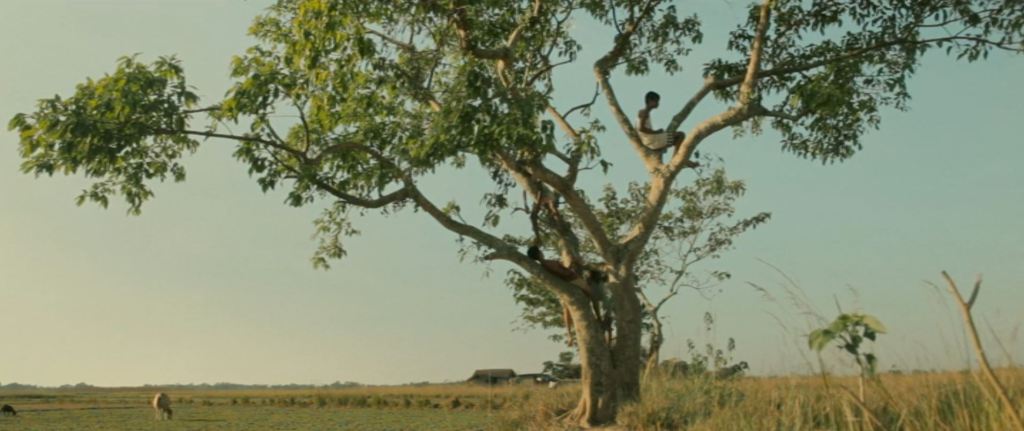
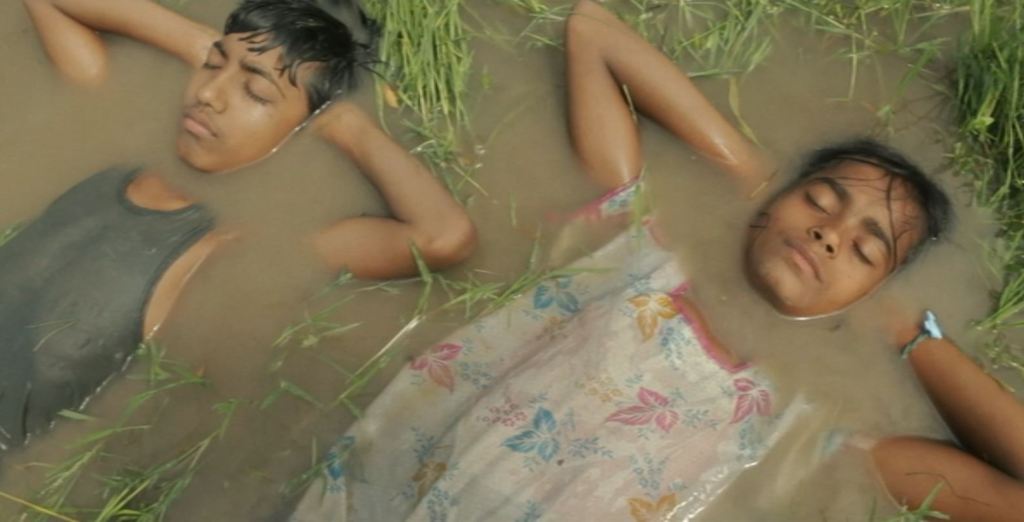
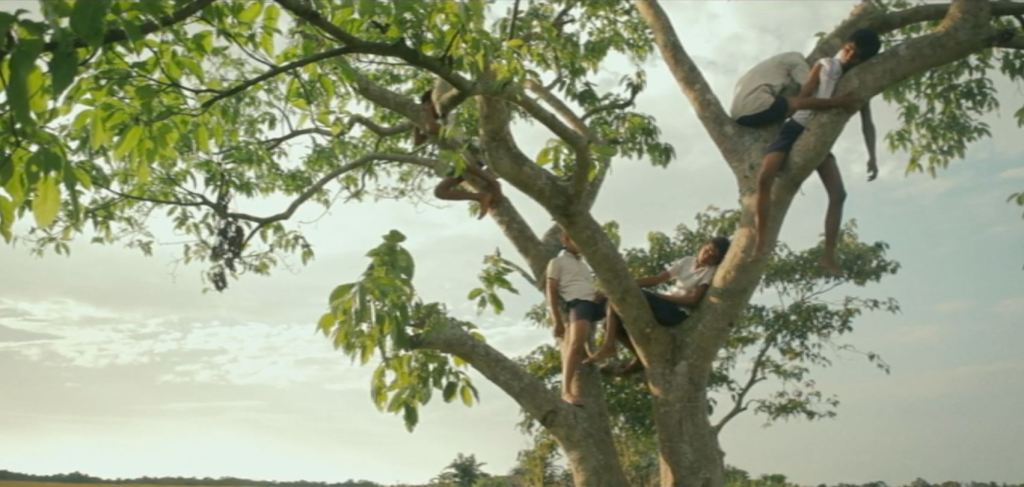
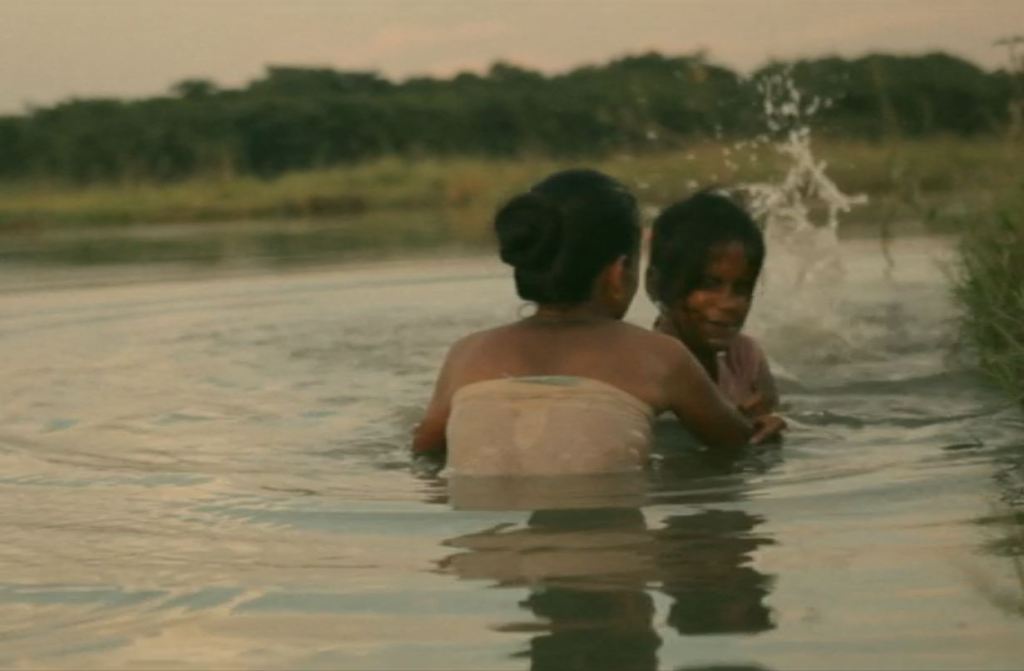
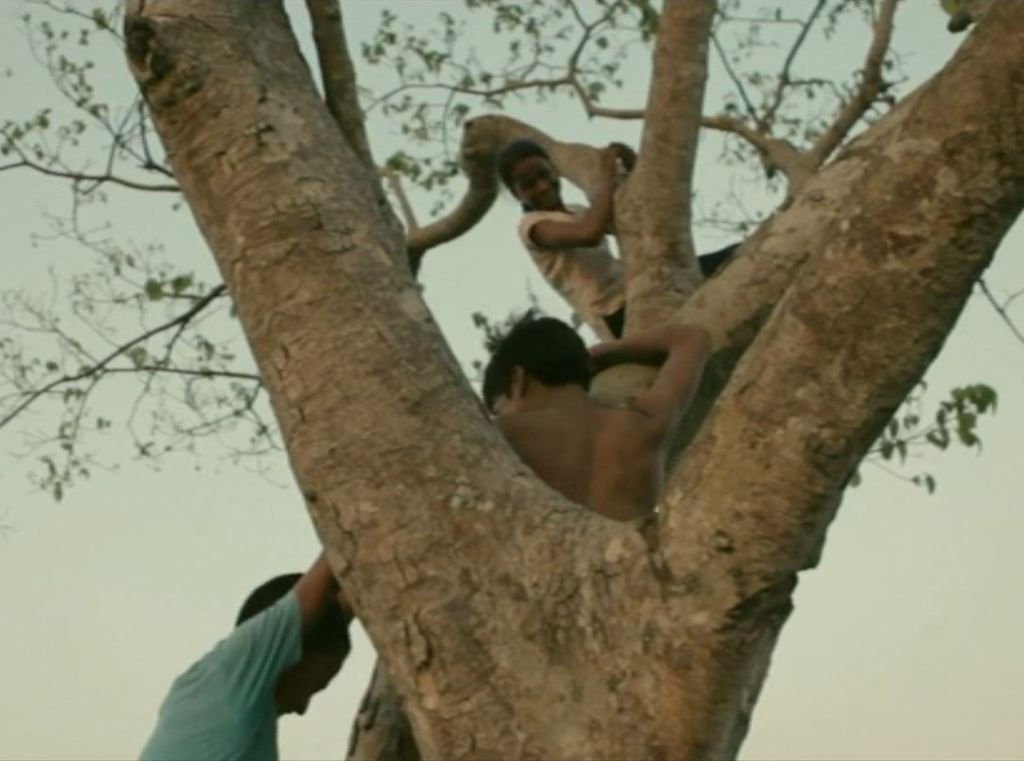
Rima Das has been able to capture the the friendship of the village kids wonderfully. The innocence, their relationship without an ounce of spite, jealousy has been wonderfully written and performed on screen. Dhunu is seen running around with the village boys , climbing trees, performing with a styrofoam made guitar, taking a plunge in the water with her friends. She had faced a lot of moral policing by the local village women for hanging around with boys, but quite undeterred, she continues to do what she enjoys doing with her mother being supportive of her daughter’s actions. The boys with whom she hangs around with are no different. They spend most of their times under the open skies along the tall grass , indulging in frivolous acts

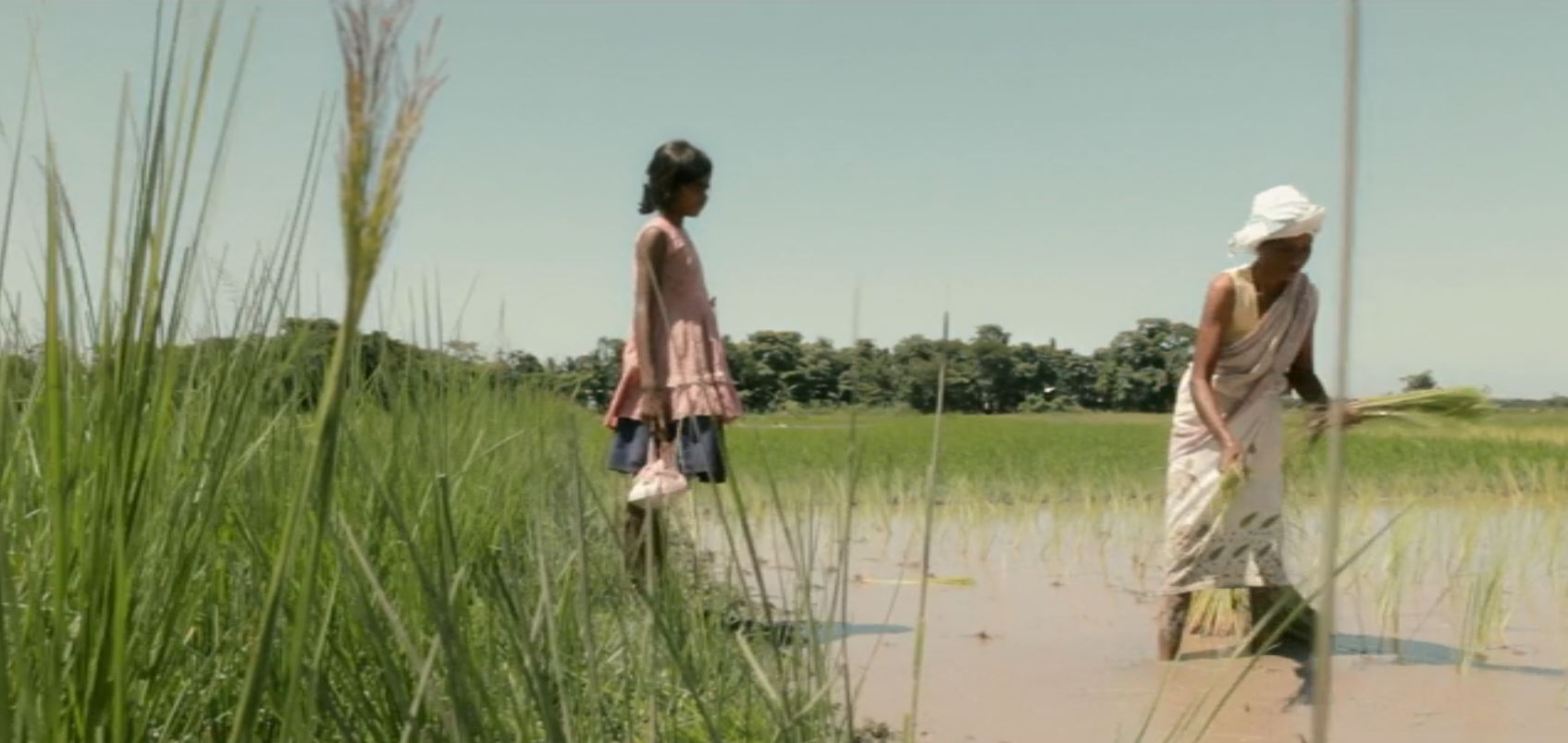
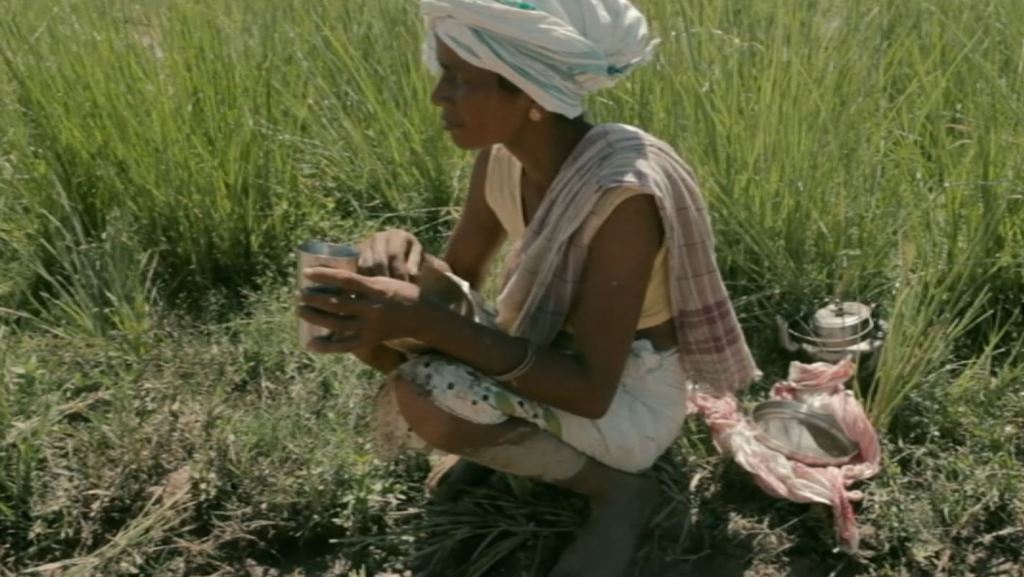
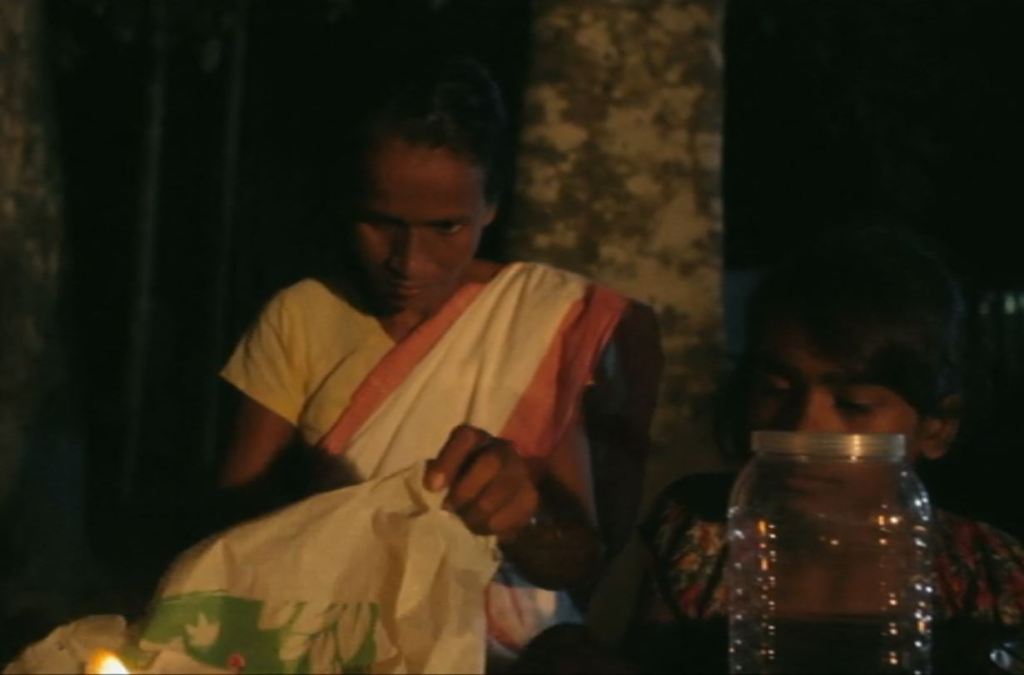
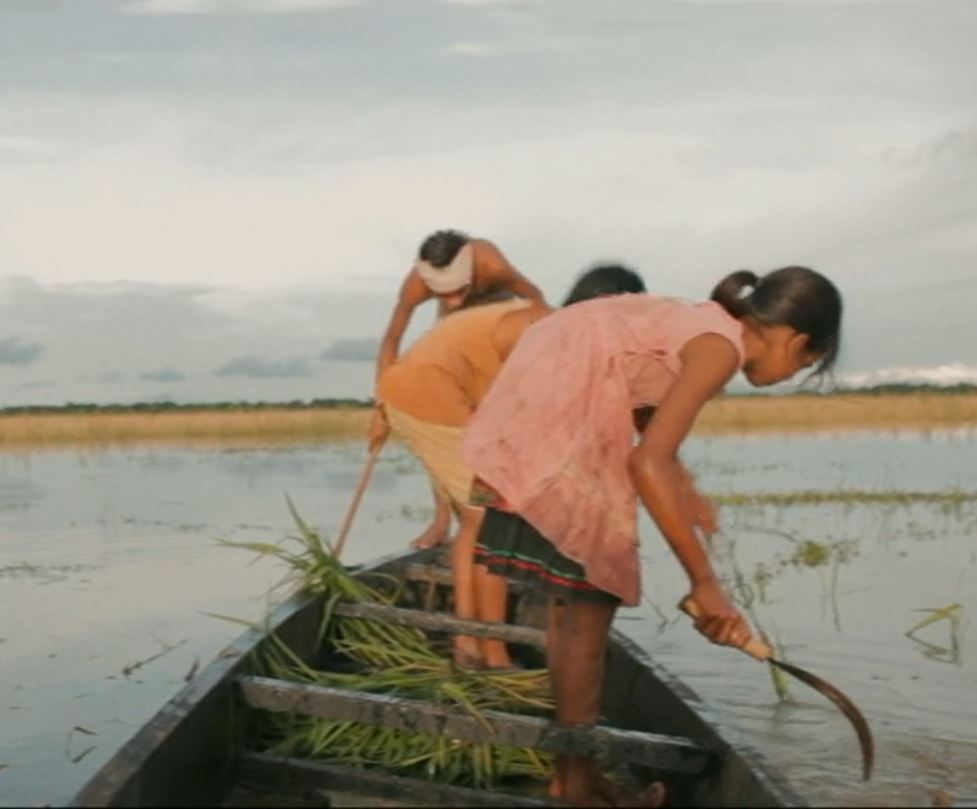
Dhunu lives with her mother, brother and a pet goat. They make a living by selling betel nuts from the trees they own. They also own a small piece of land on which her mother is seen growing rice. Dhunu’s mother is shown as a strong willed , determined lady who is seen managing the household chores, managing the shop they have in the market and growing rice on the paddy fields as well. She has been shown as a very practical lady with a strong heart who wants her daughter to enjoy her life on her own terms, not considering the constant taunts of the local women who disapproved of Dhunu hanging around with boys. In a frame she is shown giving swimming lessons to her daughter as she remembers how she lost her husband is a flood who did not know how to swim.

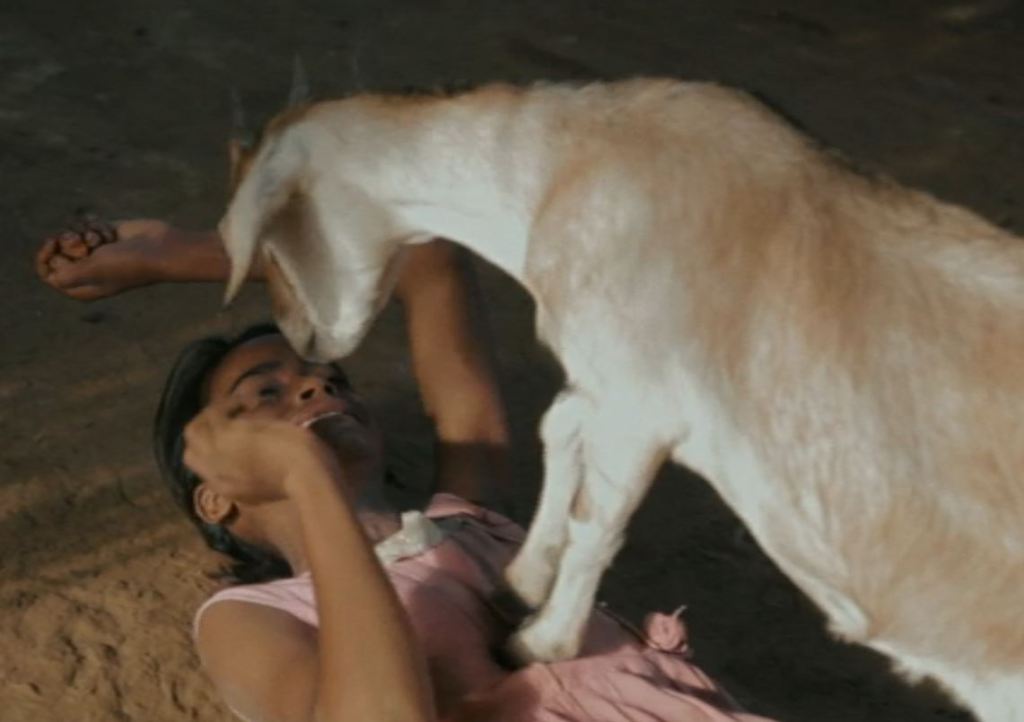
The movie beautifully portrays the human animal relationship. Dhunu has a pet goat that she is often seen fondly caressing and playing with. The movie is able to capture different aspects of relationship whether it is with between a mother and daughter , a brother and sister , friends or Dhunu and her pet goat.

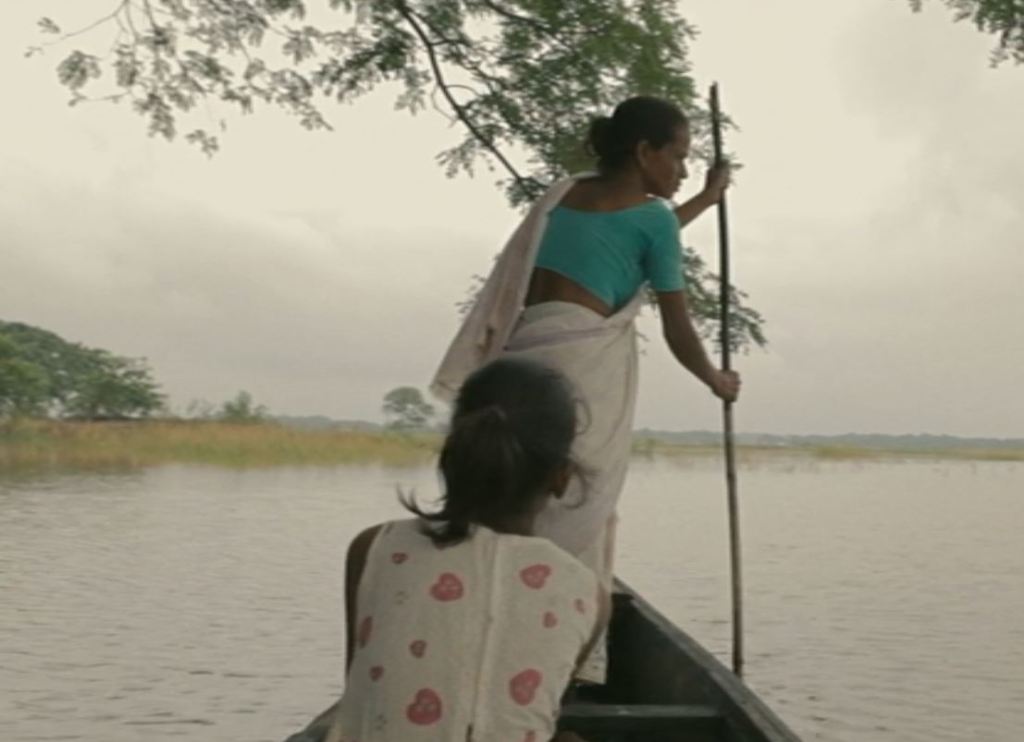
Shot for two years , Rima Das has been able to capture the plight during the floods in Assam with floating houses, trees, cattle and aspirations. It shows the futile efforts of the rural people to plant crops, raise livestock and start a family only to be destroyed by the torrential rains and re – doing the same things the next year. Hope of a better life keeps these people moving ahead. Dhunu is seen rowing a boat through the flooded villages , maneuvering the boat with ease without an ounce of fear, reflecting the physical manifestation of hope. As the rain recedes and with the onset of a bright sunny morning, these people are filled with aspirations of a brighter future , with food in their hungry belly and smile on their faces.

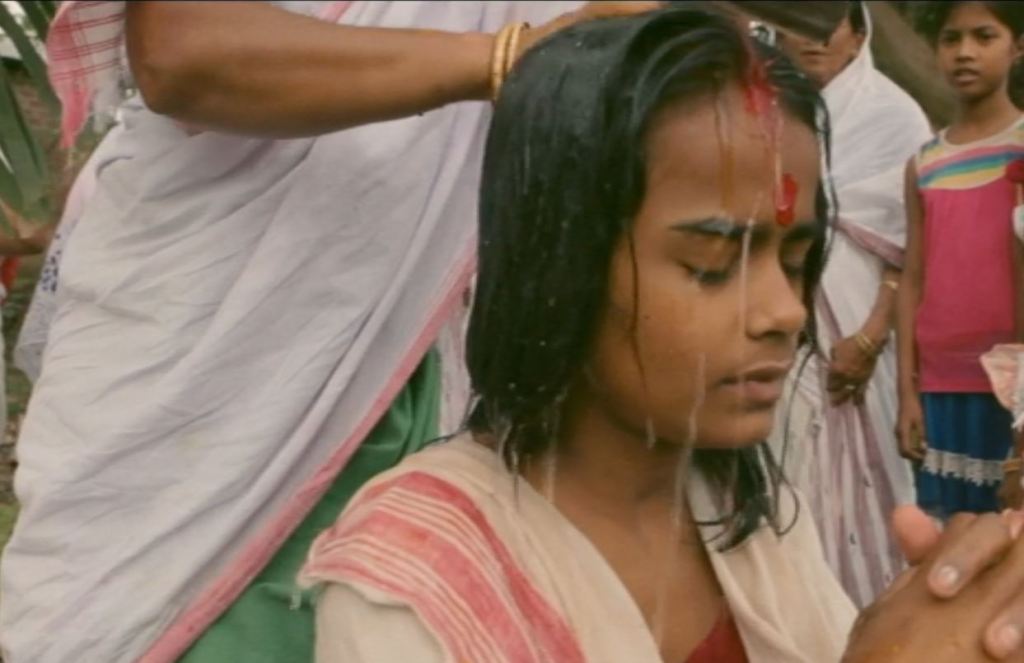
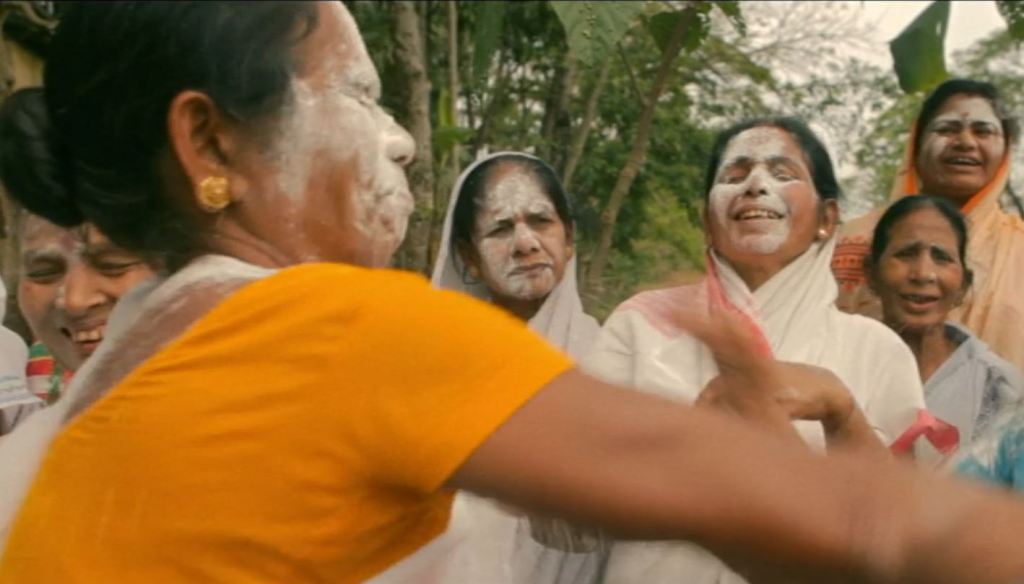
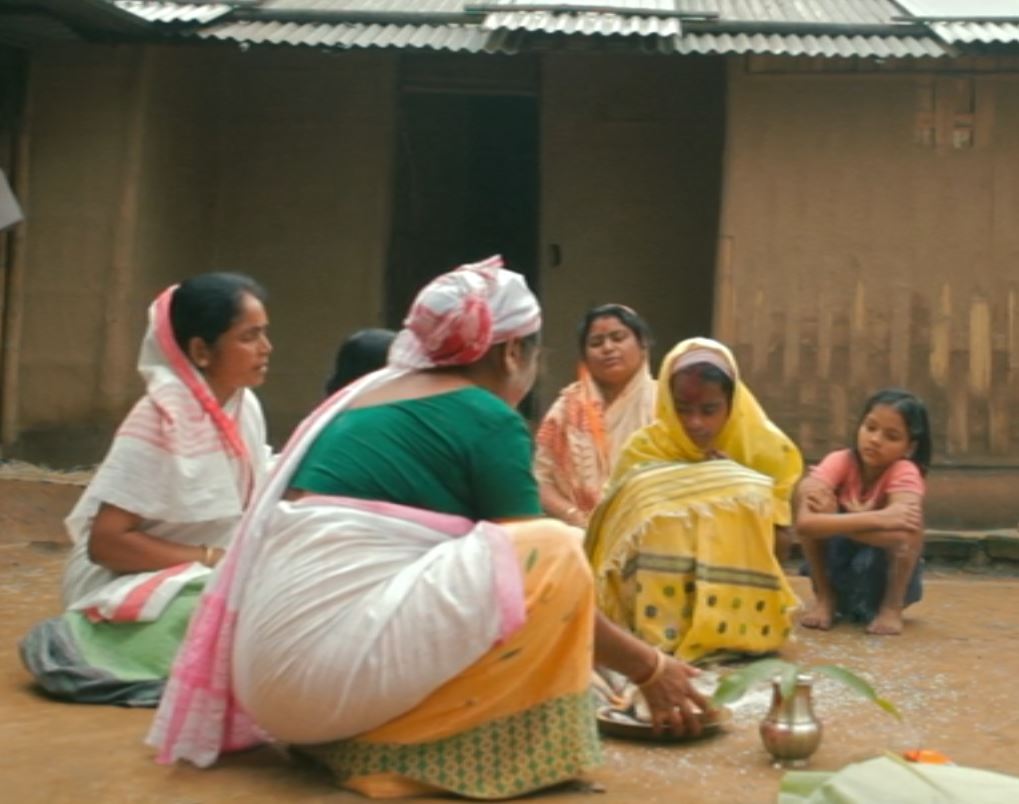
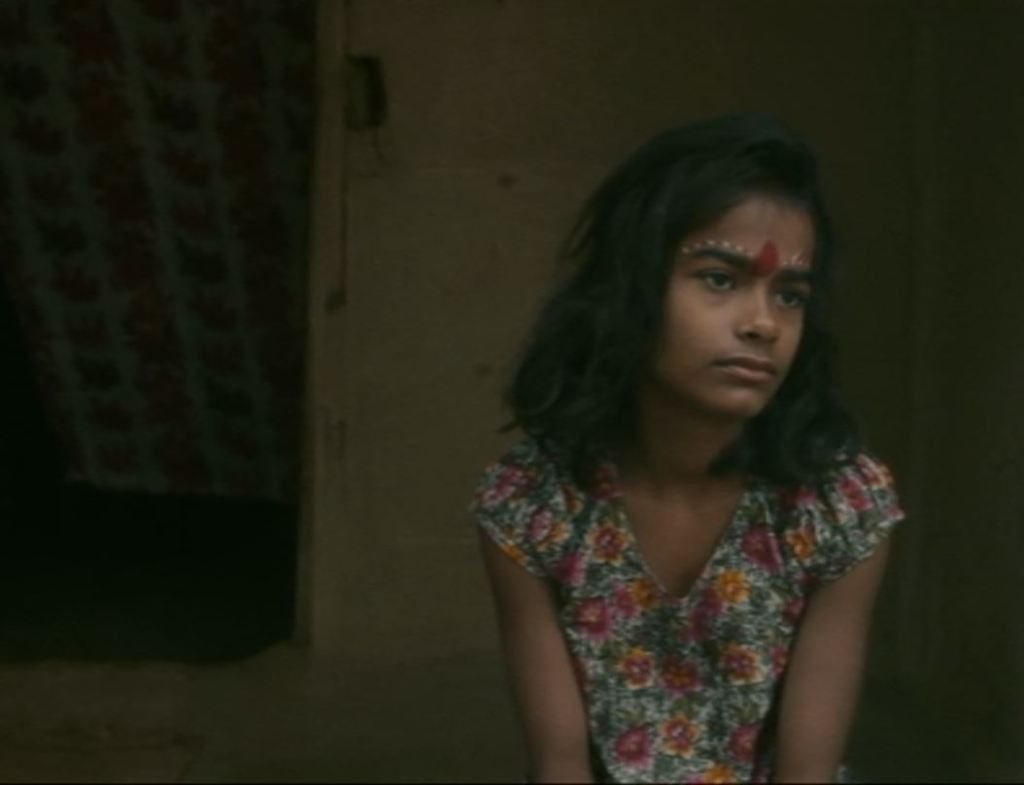
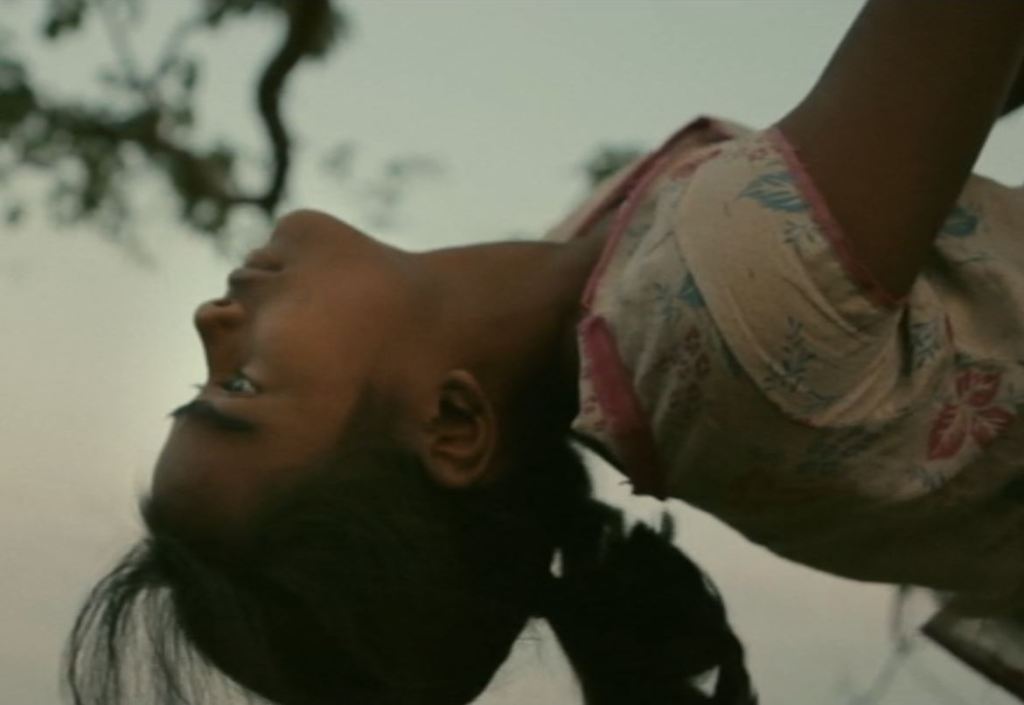
The movie portrays Dhunu’s tuloni biya or growing-up wedding, the first time she gets her periods, women in her neighbourhood gather , smear sindur on her forehead, gather for a feast at her place and make her undergo a series of rituals at the end of which warning her that her days of running around with the village boys and climbing the trees were over. In the very next frame , we see Dhunu hanging form a beautiful tree with her friends as she always did.

This beautifully made movie has the power to transcend the regional barriers into an universal platform.

Design a site like this with WordPress.com
Get started