
Language – Hindi
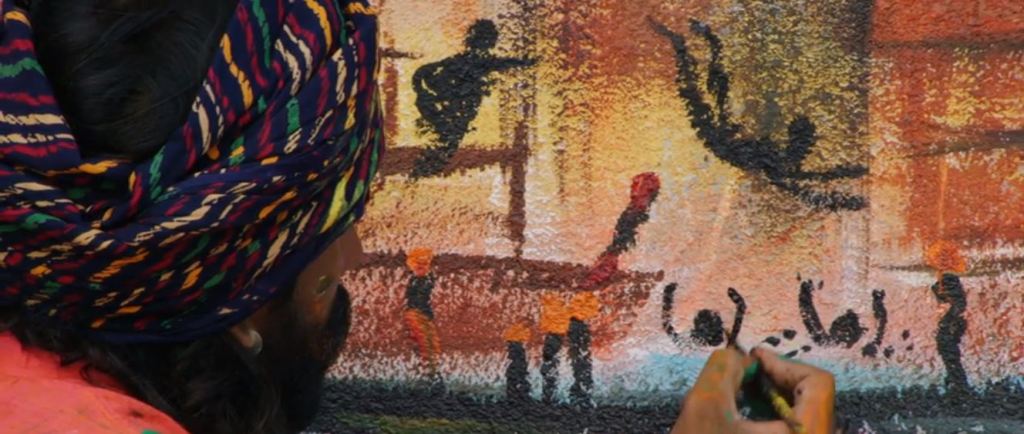
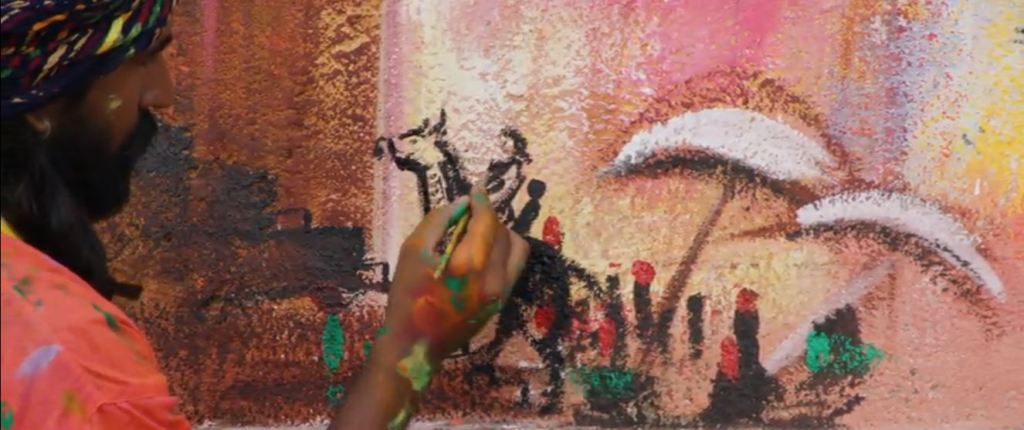
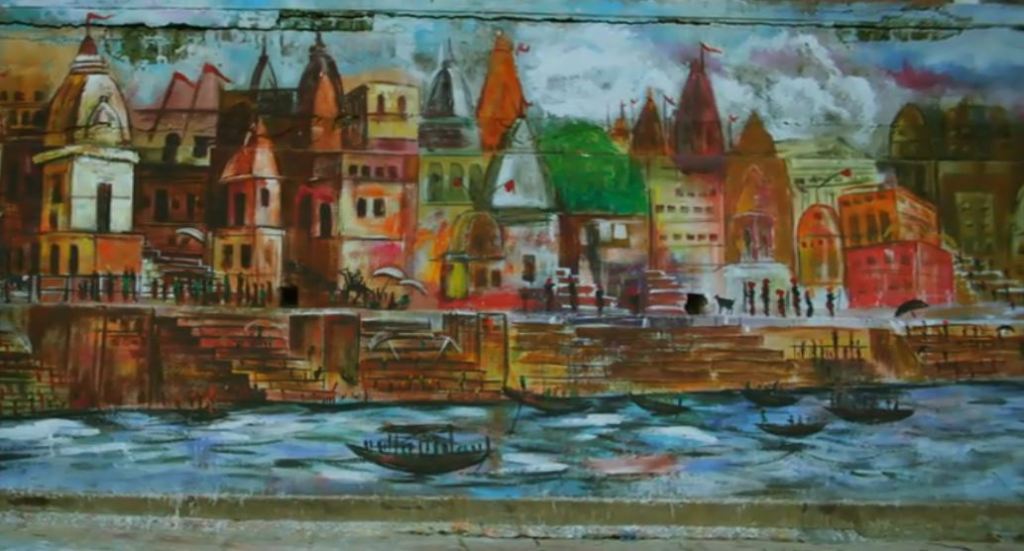
Aadha chand tum rakh lo ( You can keep half of the moon ) is a 20 minute short film directed by Mayank Bokolia which was filmed at the Cannes and Nice film festival in 2016. The story is a beautiful description of the a secular India which lays the foundation for the biggest democracy in the world. The movie is shot through the eyes of two young boys in Benaras ( India ) , one of the oldest cities in the world and at the same time painted by a graffiti artist on the steps of a ghat in Benaras. This movie is a wonderful agglomeration of art and story telling.
The story is about two boys belonging to two different religious beliefs. Jeetu is a ragpicker who on collision with a temple priest is being called ‘ acchut’ which means untouchable as Jeetu belongs to the lowest strata of the social hierarchy ( shudras). The priest further tells him that anything he touches would become impious. This incident has a terrible impact on the minds of a young boy who is not yet exposed to the social hierarchy who is later consoled by Firoz who tells him that everything he touches would become his. Firoz is that ray of hope that we need in today’s world which is constantly hammered by religious and social obligations.
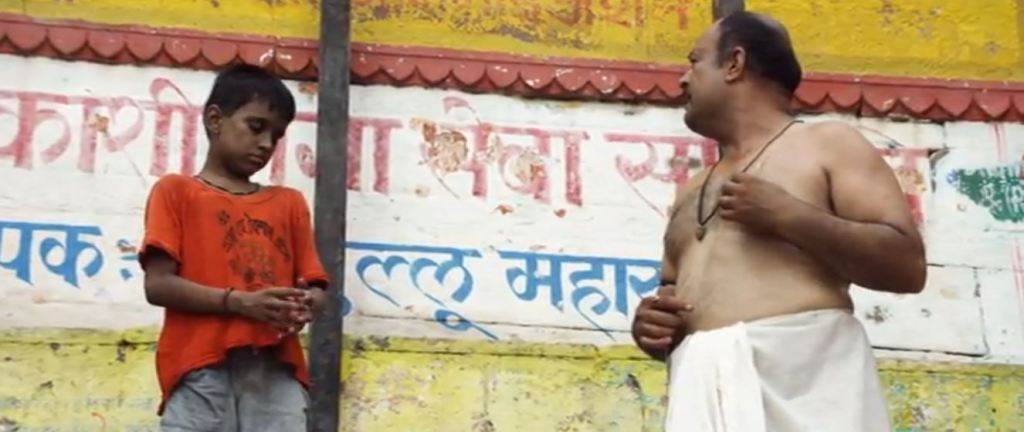
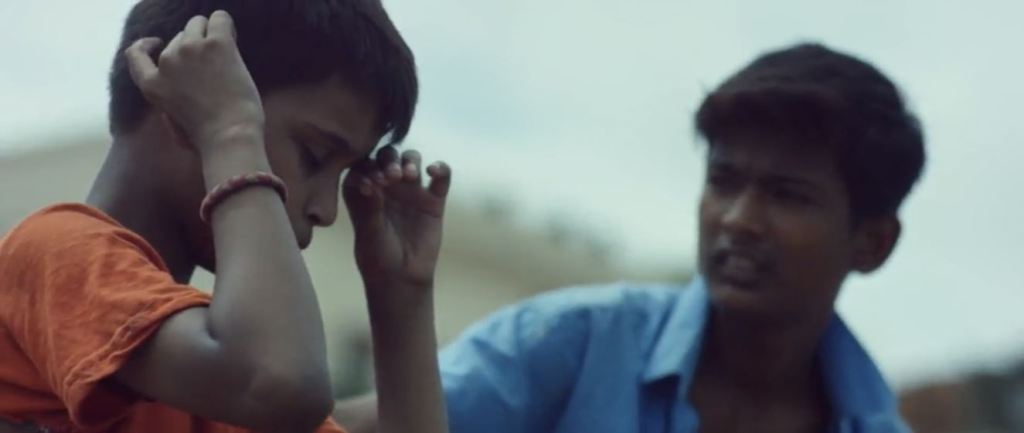
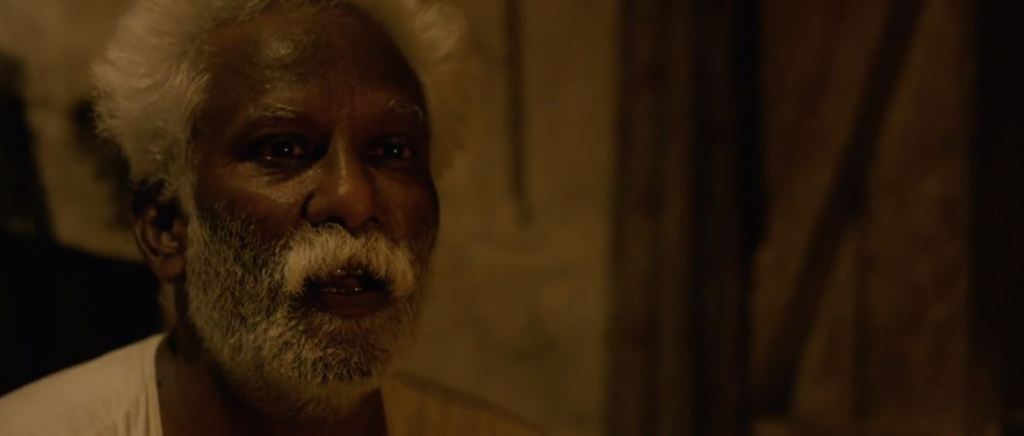
In the present times of political imbroglios , communal hatred and social stigmas, such movies are like a breathe of fresh air. In the words of Karl Marx , religion is like opium which blindfolds us and made the priest believe that by taking a dip into the Ganges would cleanse him off the the sin that he had committed by coming in contact with someone of the lower caste. He failed to realize that he had sinned himself by trying to sow the seeds of hatred and social discrimination in the minds of a young boy who is unperturbed by the existing social norms. That cleansing can happen with education.
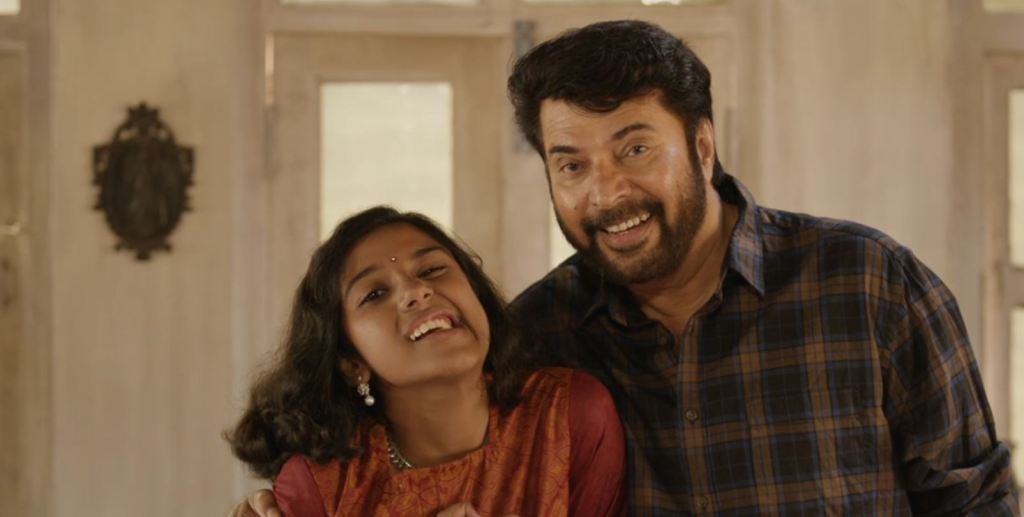
Jeetu asks the same question to this father , if they really are untouchables to which his father responds by saying that they are the servants of God. If someone really believes in religion, the basic foundation of all religious beliefs is compassion , respect and equality in the eyes of the almighty which most of us choose to ignore.
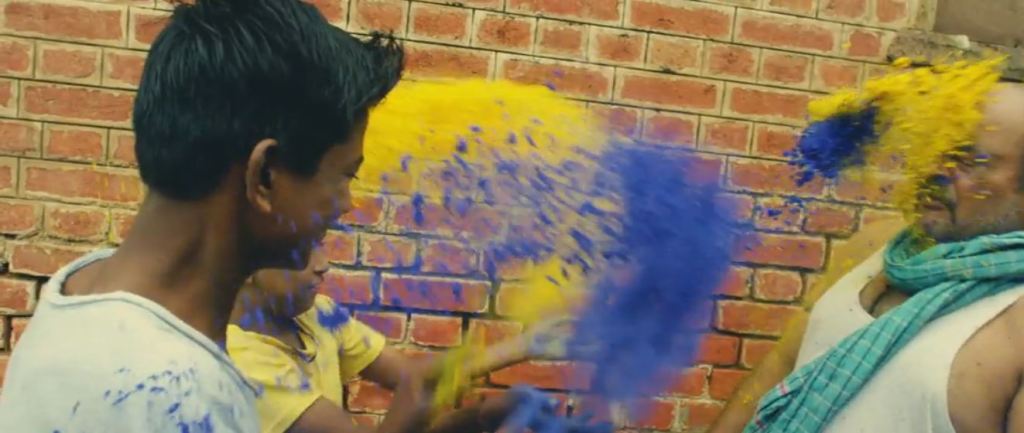
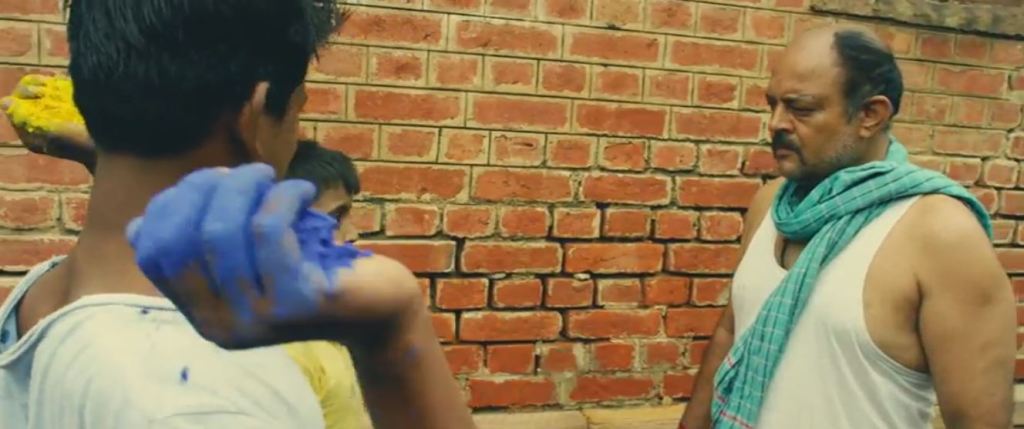
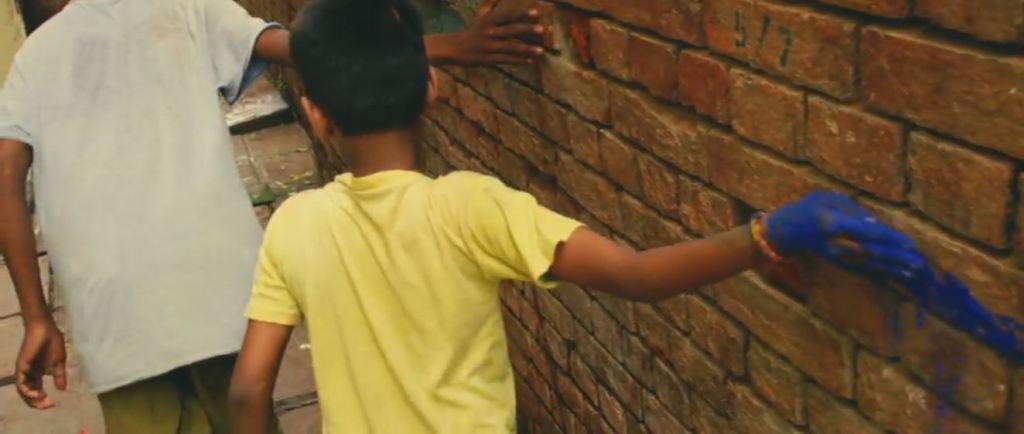
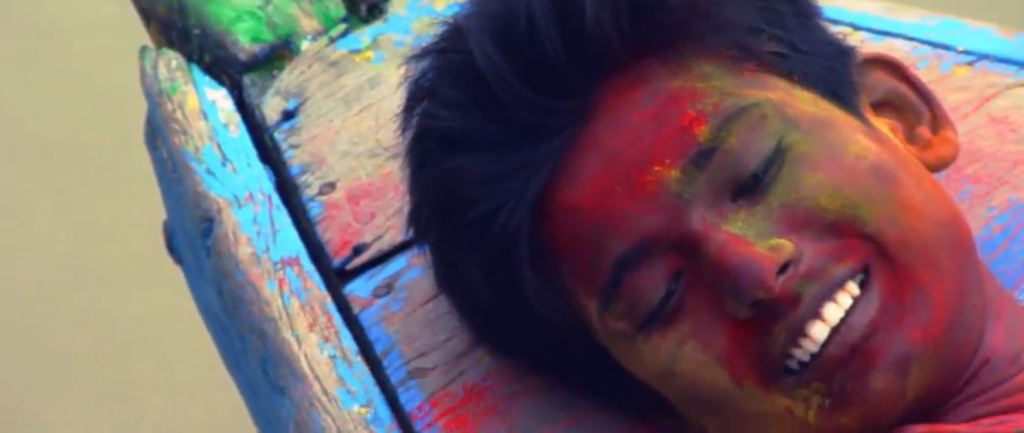
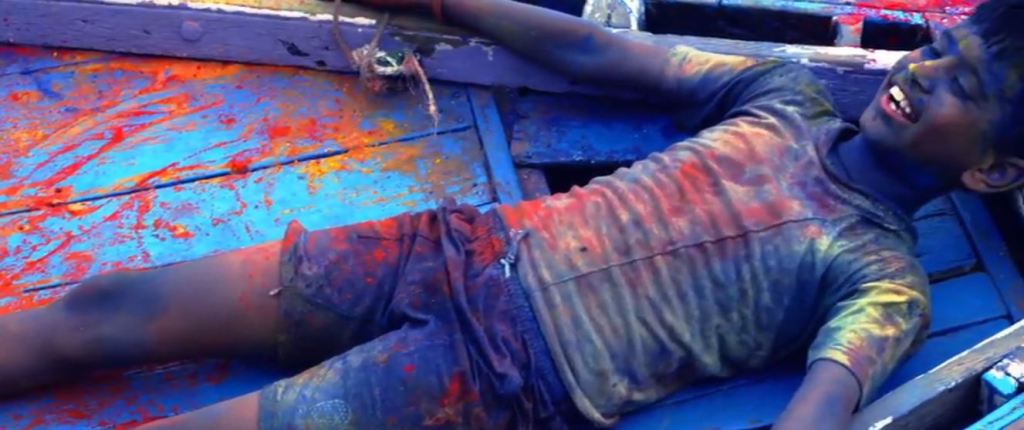
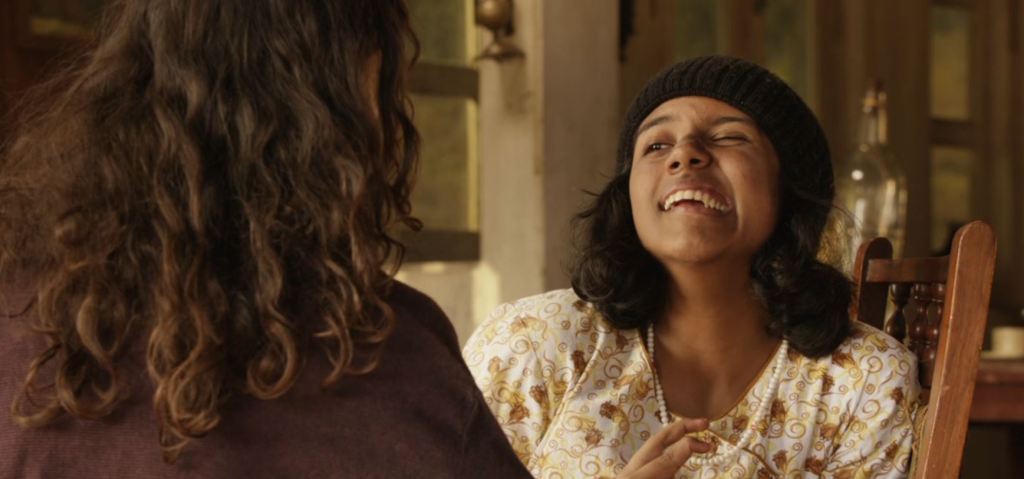
Firoz and Jeetu shares an unadulterated friendship. They celebrate Holi together and the ‘ untouchable ‘ boy runs around in the narrow alleys of Benaras , making all the places he touched his. Holi is a festival of colors which is celebrated by people of all religious beliefs and that is the true essence of religion , something that binds people. Such celebrations I feel plays another significant role in flattening the social curve. On such days , people tend to forget the financial or emotional setbacks that they are going through and live that day without worrying about the next. People usually keep their differences and animosities aside. These were kids. They run around with colors in their hands and throw it at the face of the priest. At this point the priest and those boys one of whom was an untouchable and the other a Muslim all looked identical.
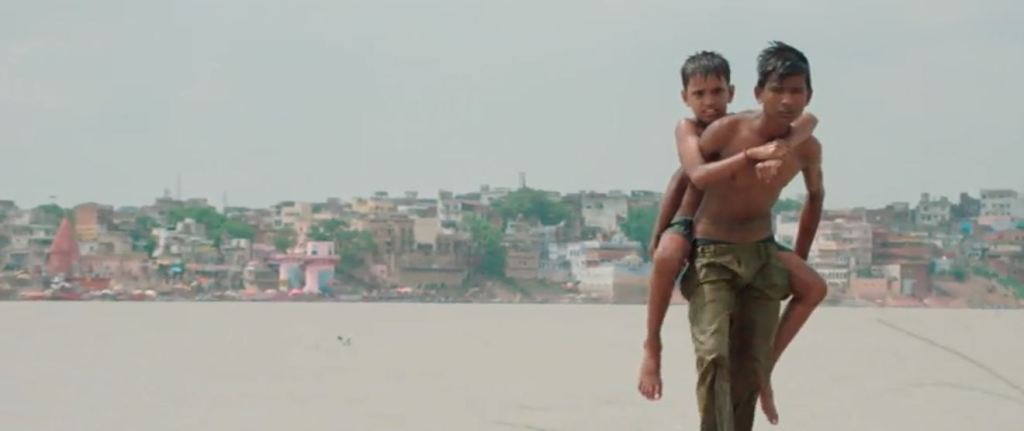
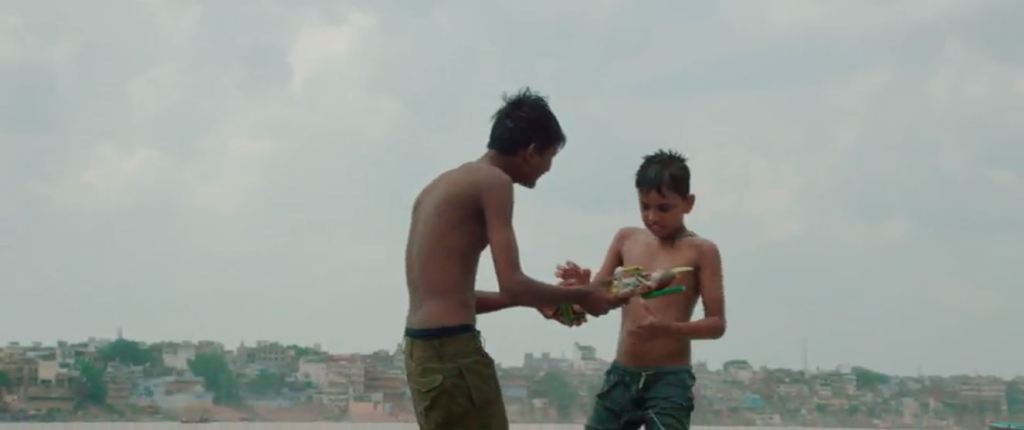
Later in the film , Jeetu’s father asks him to buy an idol of Lord Shiva for Shiv-ratri ( the night of worshiping Lord Shiva ) with the money he would earn. Firoz and Jeetu are playing on the banks of the Ganges when Firoz finds an idol of Shiva lying on the shore. He is excited to see the idol and hands it over to Jeetu with an excitement in his voice which he takes home to his father. Islam does not believe in idol worship, but Firoz was either too young or too matured to be bound by such religious notions. What mattered to him was the happiness of his friend as he handed over the idol to Jeetu.
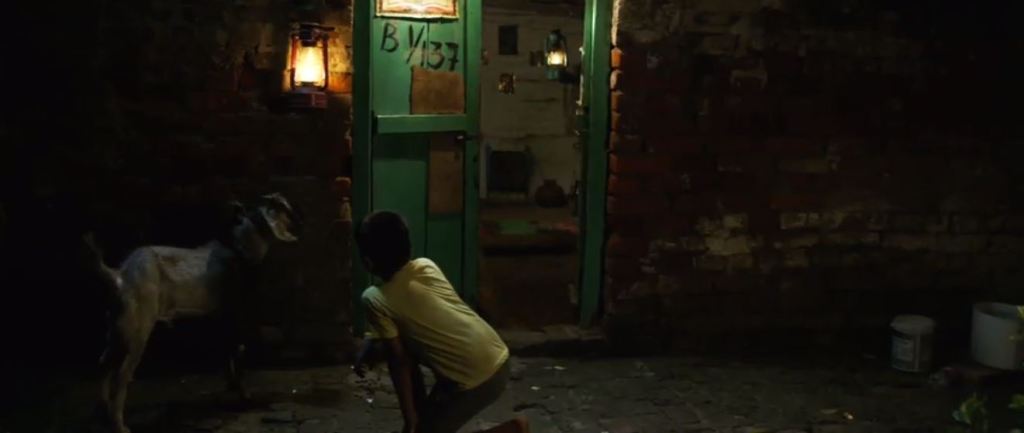
Jeetu accompanies Firoz to his home where he sees a goat tied outside his house, which is missing when he goes the other day. Firoz says that he has slaughtered the goat for dinner. This side of Firoz was unknown to Jeetu as he is taken aback and runs outside. There was always a sense of love and affection that Jeetu had felt in Firoz and he could not come to terms with the fact that the same love and affection did not transcend on to the goat tied outside Firoz’s house.

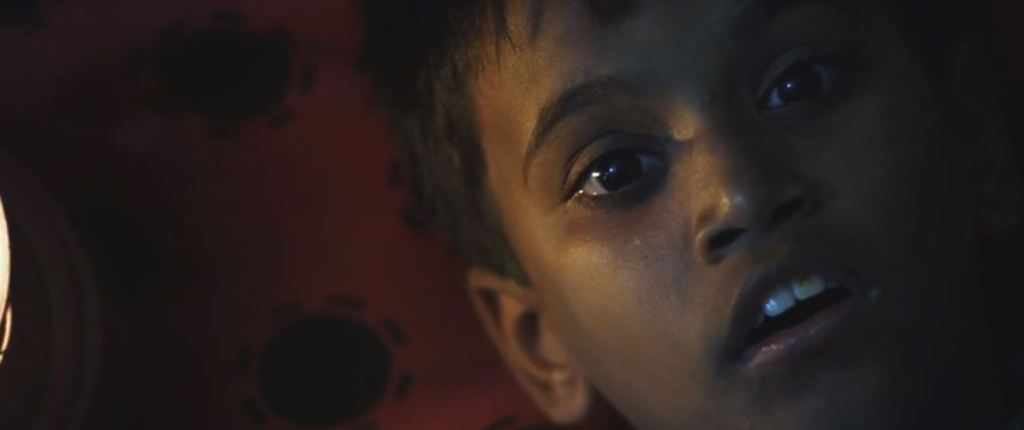
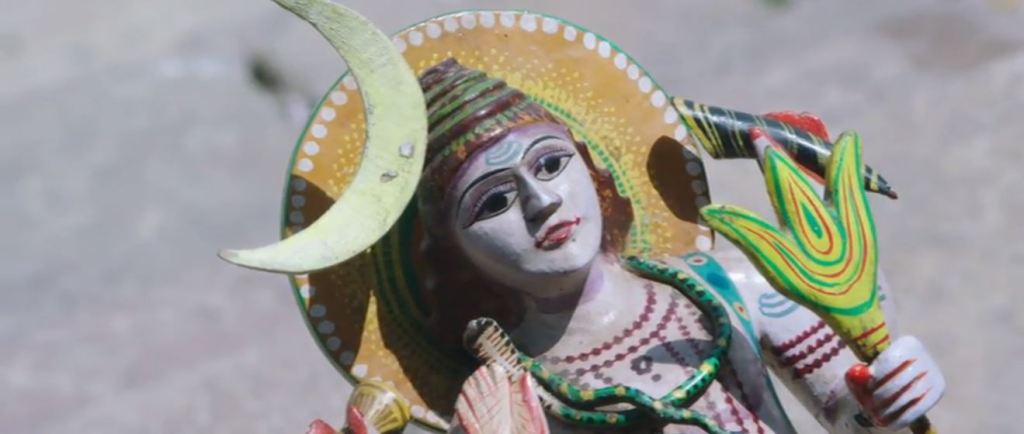
Sad and disheartened , Jeetu comes back the next day with the Shiv idol which was damaged and cannot be worshiped according to his father. Firoz takes a look at the damage and decides to repair the idol. After it is done , Firoz notices the crescent moon on the head of Lord Shiva and asks Jeetu if he could keep the moon as he will wear it as a necklace around his neck during Eid. Jeetu answers saying that Lord Shiva shall look incomplete with the moon and proposed that Firoz can keep half of it while Lord Shiva can have the other half. These two children quite unknowingly did what most adults fail to do. They had learnt to share and adjust with whatever they had. They were not bound by religious ties. The same moon which was shining on the head of Lord Shiva was being hung in front of a photograph of Mecca. The moon was the same for both the religions and should we all be.
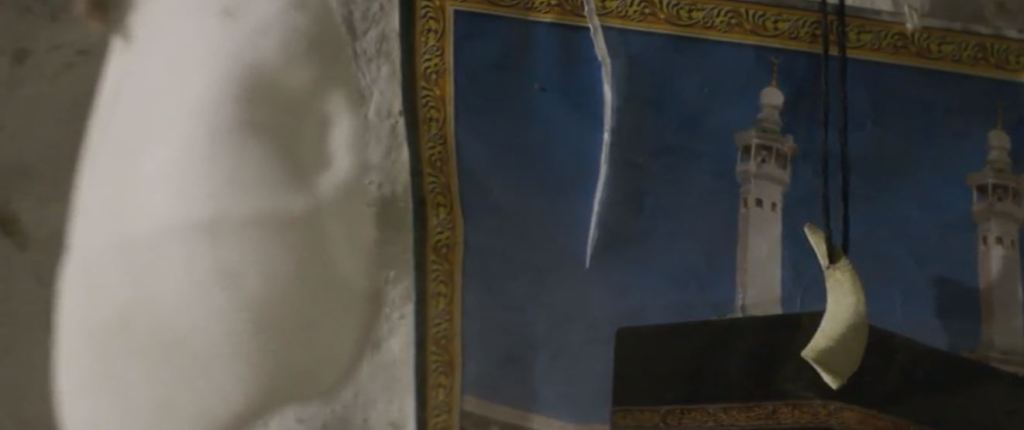
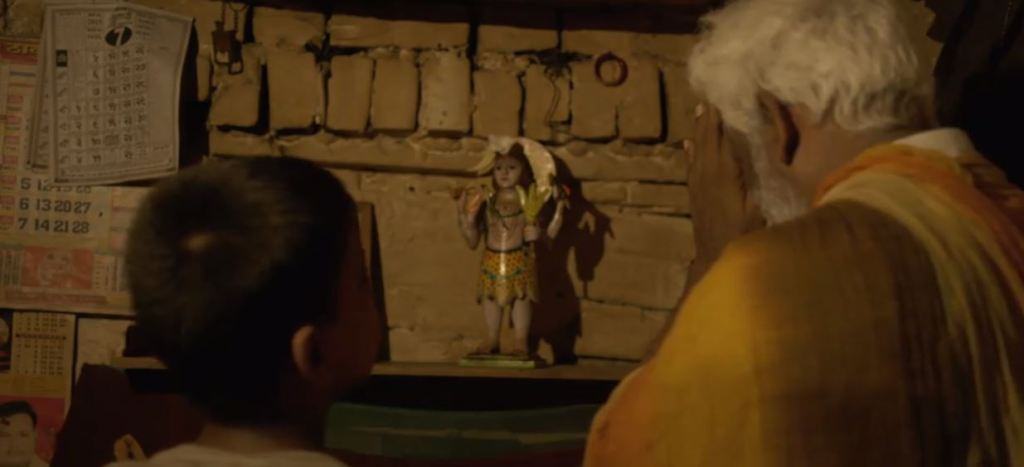
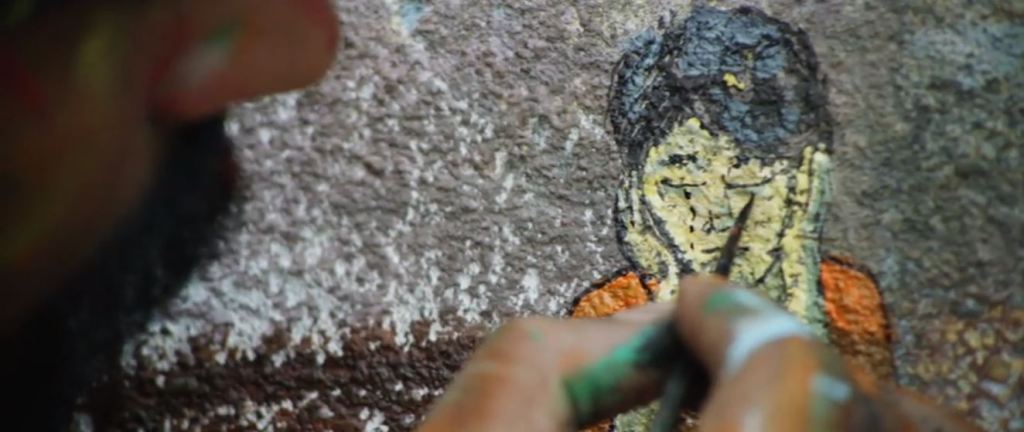
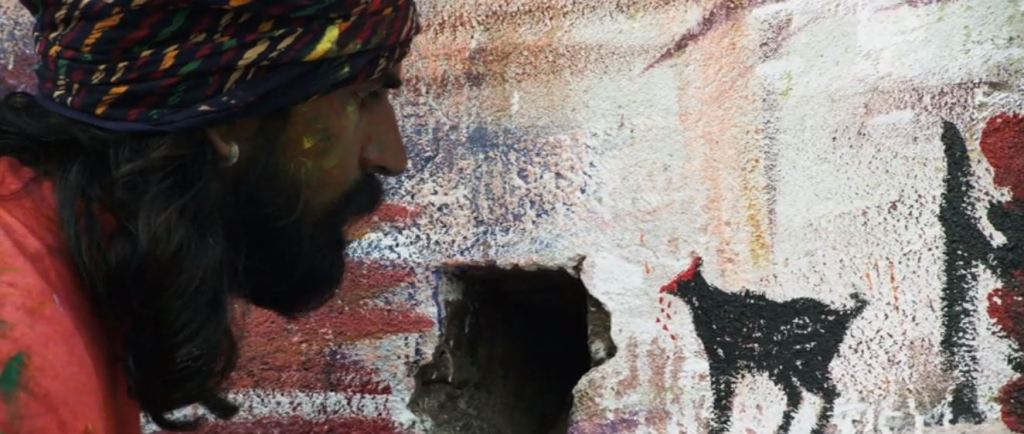
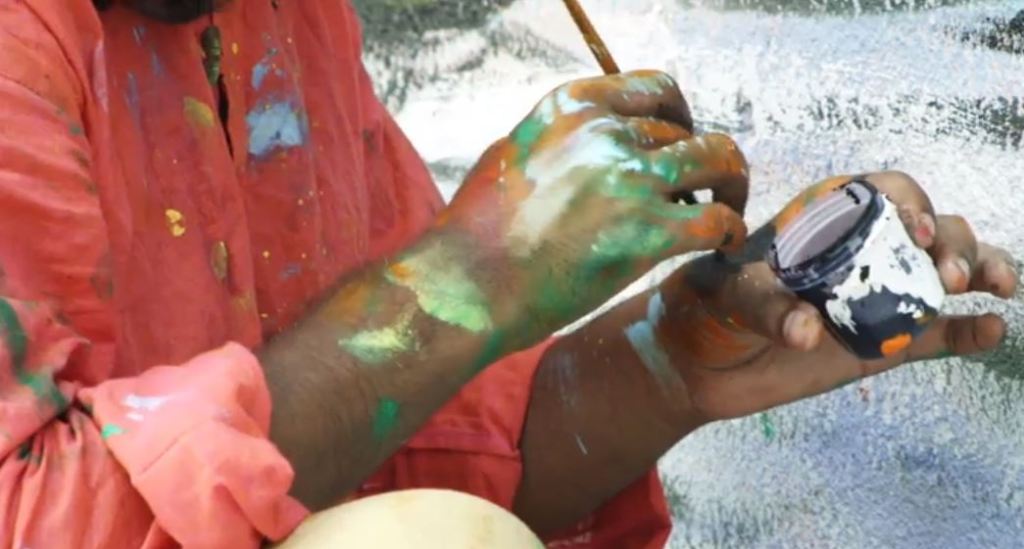
The entire movie was actually depicted in the graffiti made by the artist on the Ghats of Benaras. The incidents in the story were so common and prevalent in our socities , that the artist had painted them on the walls of the ghats. As if the two characters of Firoz and Jeetu were out of the graffiti, as if the artist wanted his art to echo the values of secular India. Though the graffiti was an explosion of colors the only colors that remained on the hands of the artist were the tri-colors of our national flag upholding the values of our nation of our constitution.
United we stand ……..
 A garland of frames